- Home
- Blog
- How to Prepare Your Houston HVAC System for a Freeze: Heat Pump, Furnace, and Drain Line Checklist
How to Prepare Your Houston HVAC System for a Freeze: Heat Pump, Furnace, and Drain Line Checklist
Get your Houston HVAC system winter-ready with essential tips and a handy checklist for heat pump and furnace efficiency during a freeze.
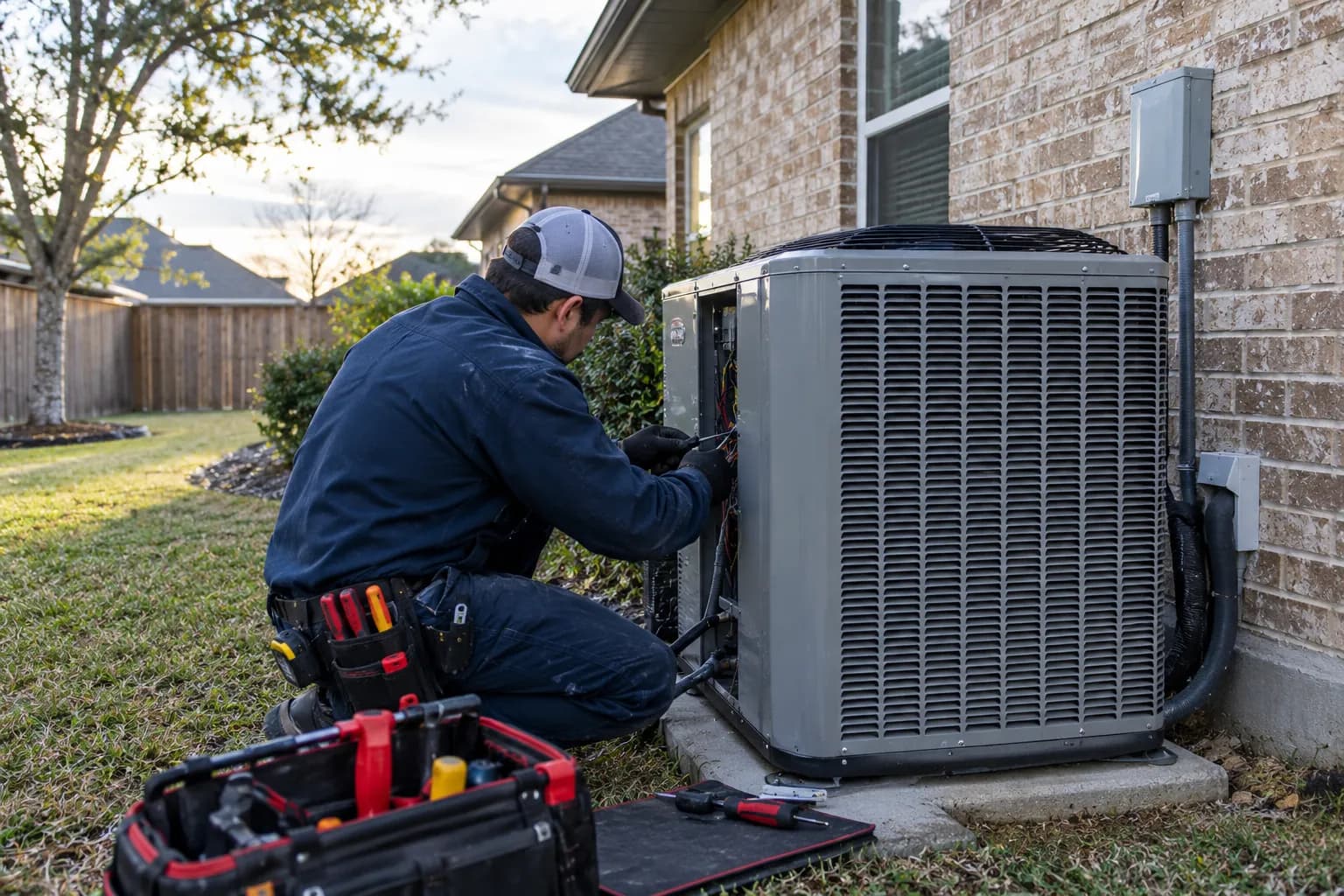
Houston winters are mild, until they aren’t. Most years bring a handful of freezing mornings, and every few years a hard freeze tests every heating system in the region. The February 2021 freeze, with its widespread power and gas disruptions, is the one most homeowners remember.
Heating systems here sit idle most of the year, so a freeze is often the first real test they get. This checklist covers what to do before, during, and after freezing weather. If something isn’t working, call Multipoint AC & Heating at 832-963-3789.
Quick Answers: HVAC and Freezing Weather in Houston
When does Houston usually get its first freeze? Early December on average. It tends to come a bit earlier north of the city, in places like Montgomery County, and later toward the coast. Houston averages roughly 11 freezing days across December through February, and November freezes are usually brief and light.
Is frost on a heat pump normal? Thin frost that clears during the defrost cycle is normal. A solid block of ice, or a fan that has stopped turning, is not.
What is “emergency heat”? It’s backup heat, usually electric strips or a furnace, that bypasses the heat pump’s compressor. It costs more to run, so use it only if the outdoor unit is iced over or not working. It keeps your home warm but does not thaw the outdoor unit.
Should I cover my heat pump in winter? No. It needs airflow to work, and a cover can cause problems.
Before the Freeze: Do These Now
1. Get the Heating System Inspected
A furnace or heat pump that hasn’t run since last winter can fail the first time it’s asked to work hard. A pre-winter inspection checks the flame sensor, ignitor, heat exchanger, safety controls, and, for heat pumps, the reversing valve and defrost system. Read what a proper visit includes in our heating tune-up guide, or book through our maintenance plans.
2. Replace the Air Filter
A clogged filter restricts airflow, which makes a furnace overheat and a heat pump work harder. Check the size and swap it before the cold arrives. See our air filter guide for Houston homes.
3. Clear the Outdoor Unit
Leaves, vines, and debris around a heat pump block the airflow it needs to pull heat from cold air. Trim back plants, clear the base, and keep two feet of clearance on all sides. Do not wrap or cover the unit.
4. Check Exposed Drain Lines
This one gets missed in Houston. High-efficiency furnaces (90% efficiency and up) drain acidic condensate through PVC lines. If part of that line runs through an unheated attic, garage, or outside wall, a hard freeze can freeze it. A blocked drain can trip the safety switch and lock the furnace out. If your drain line is exposed, wrap it in pipe insulation or ask us to review it during a visit.
5. Look at the Refrigerant Line Insulation
The foam covering the copper lines at your outdoor unit often cracks and flakes in Texas sun. Replace damaged sections before winter.
6. Test Your Carbon Monoxide Detectors
Press the test button on every detector and replace any past their expiration date. Gas furnaces, space heaters, and generators all raise carbon monoxide risk when everyone is trying to stay warm.
7. Review Your Thermostat Settings
Large overnight setbacks can backfire with a heat pump. When the thermostat calls for a big temperature jump in the morning, it may fire up the electric backup strips, which are expensive to run. In cold snaps, a steadier setting, around 68 to 70 degrees, usually works better. See our thermostat settings guide for Houston.
What’s Normal for a Heat Pump in Cold Weather
Heat pumps pull heat out of outdoor air, so they work harder as temperatures fall. Normal behavior includes:
Frost on the outdoor coil that melts away during defrost.
A defrost cycle that typically lasts 5 to 15 minutes. During it you may see steam rising from the unit and feel cooler air from the vents.
Backup heat turning on during very cold stretches. The thermostat may show “AUX” or “Aux Heat.”
Call for service if you see:
Thick ice covering the whole coil or the fan blades
A fan that isn’t spinning
Ice that returns within hours of thawing
Cold air from the vents for 20 minutes or more
If the outdoor unit is encased in ice, switch the thermostat to emergency heat to keep the house warm, turn the heat pump off, and call us. Don’t chip or pry at the ice, because the fins and coil are easy to damage. For repair costs and causes, read our heat pump repair guide.
During a Freeze: What to Do
Keep the heat on and steady. Avoid turning the system off to save money.
Keep supply vents open, including in rooms you aren’t using. Closing vents upsets airflow.
Keep the outdoor unit clear. Brush loose debris or ice off gently. Don’t use tools.
Let faucets drip and open cabinet doors if a hard freeze is forecast. That’s plumbing, not HVAC, but burst pipes are a real winter risk.
Watch for warning signs. The furnace starts and shuts off repeatedly, the heater blows cold air, or the system runs constantly without warming the house. See heater not working in Houston for a step-by-step troubleshooting guide.
If the Power Goes Out
Never run a generator, grill, or camp stove inside your home or garage, and never use a gas oven for heat. These are common causes of carbon monoxide poisoning during Texas winter outages. Run a generator outdoors, well away from windows and doors.
After power returns, give the system a few minutes before restarting heat. Our guide to HVAC protection during Houston power outages covers surge protection and safe restart steps.
After the Freeze: Inspect and Reset
Check the outdoor unit for ice, bent fins, or damage from falling limbs.
Look under the air handler for water stains that could mean a frozen or cracked drain line.
Replace the filter if it looks heavily loaded.
If the system struggled, ran constantly, or needed emergency heat, schedule a visit now rather than waiting for the next cold snap.
For more seasonal planning, see our cold front prep guide and Houston year-round weather and HVAC tips.
Heat Pump or Furnace? What a Freeze Teaches
A short Houston freeze is well within what a properly maintained heat pump can handle, with its backup heat doing the extra work. A furnace gives strong heat regardless of outdoor temperature but depends on gas supply and a working ignition system. Thinking about a switch? Our heat pump vs furnace guide walks through both honestly. Keep in mind that the federal heat pump tax credit ended after 2025, so ask us about currently available incentives.
Why Houston Homeowners Call Multipoint
Diagnosis before recommendations. We measure and explain what we find.
24/7 availability. Freezes don’t wait for business hours. See our emergency service page.
Full heating service. Furnace and heat pump repair, installation, and maintenance.
Service across the region. We serve Houston, Katy, Sugar Land, The Woodlands, Conroe, Willis, Tomball, Spring, Humble, Missouri City, Baytown, and the communities in between.
Have questions first? See our FAQ page or contact us online.
Get Your Heating System Freeze-Ready
Don’t wait for the forecast to turn. Call Multipoint AC & Heating at 832-963-3789 to schedule a heating inspection before the first hard freeze, or call any time if your system fails in the cold. We’ll check the system, explain what we find, and tell you honestly what it needs.
Call or text 832-963-3789, day or night.