Spring, TX HVAC Near You
Fast repairs, maintenance, and installs to keep your Spring home comfortable through every Texas season.

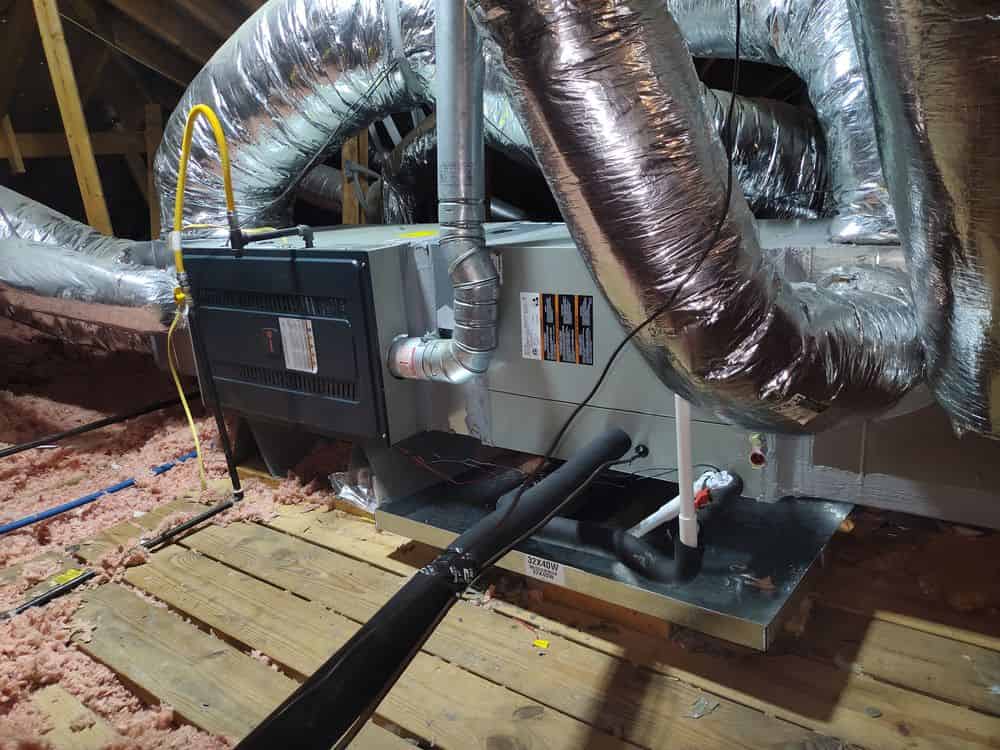
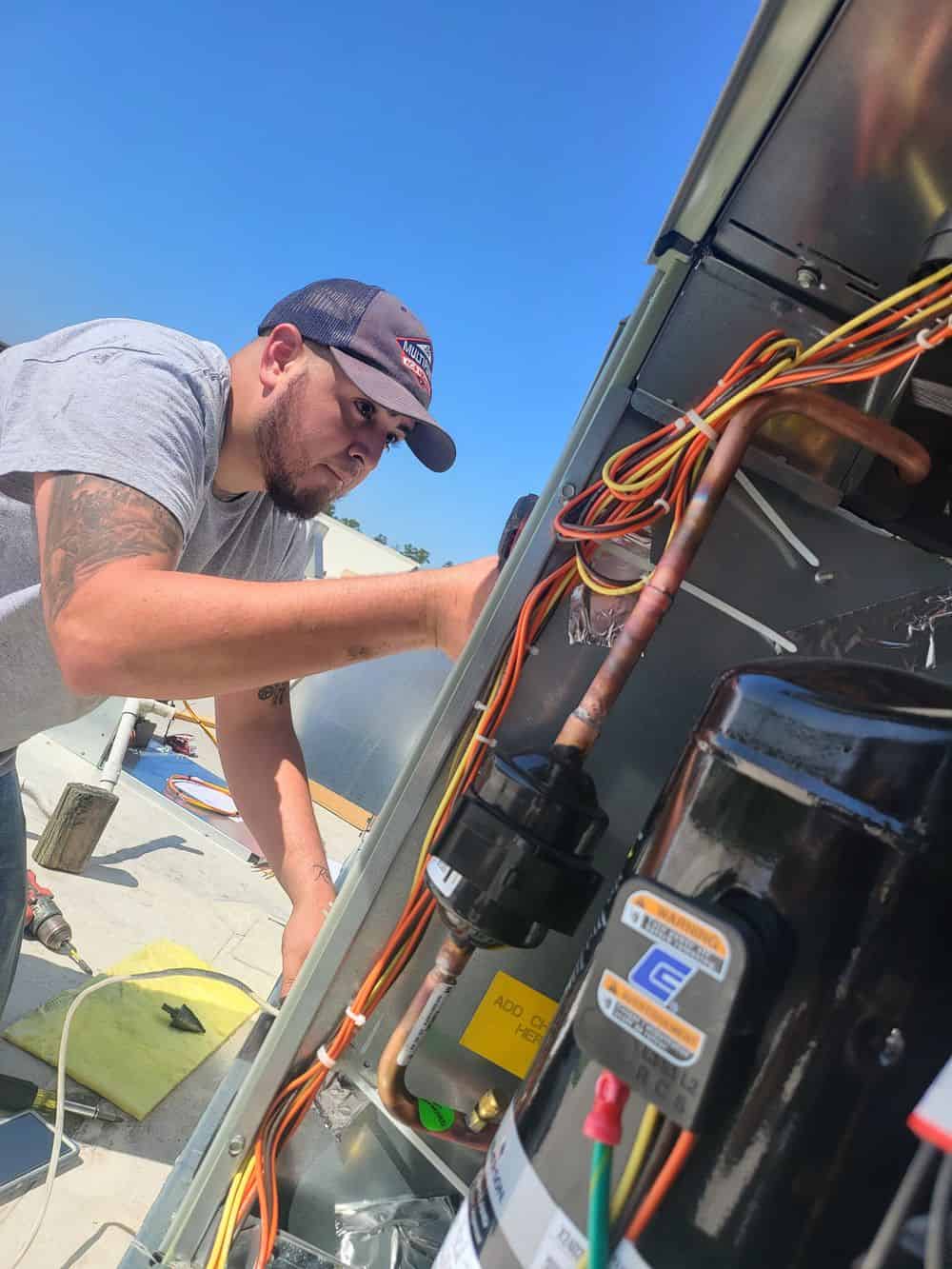
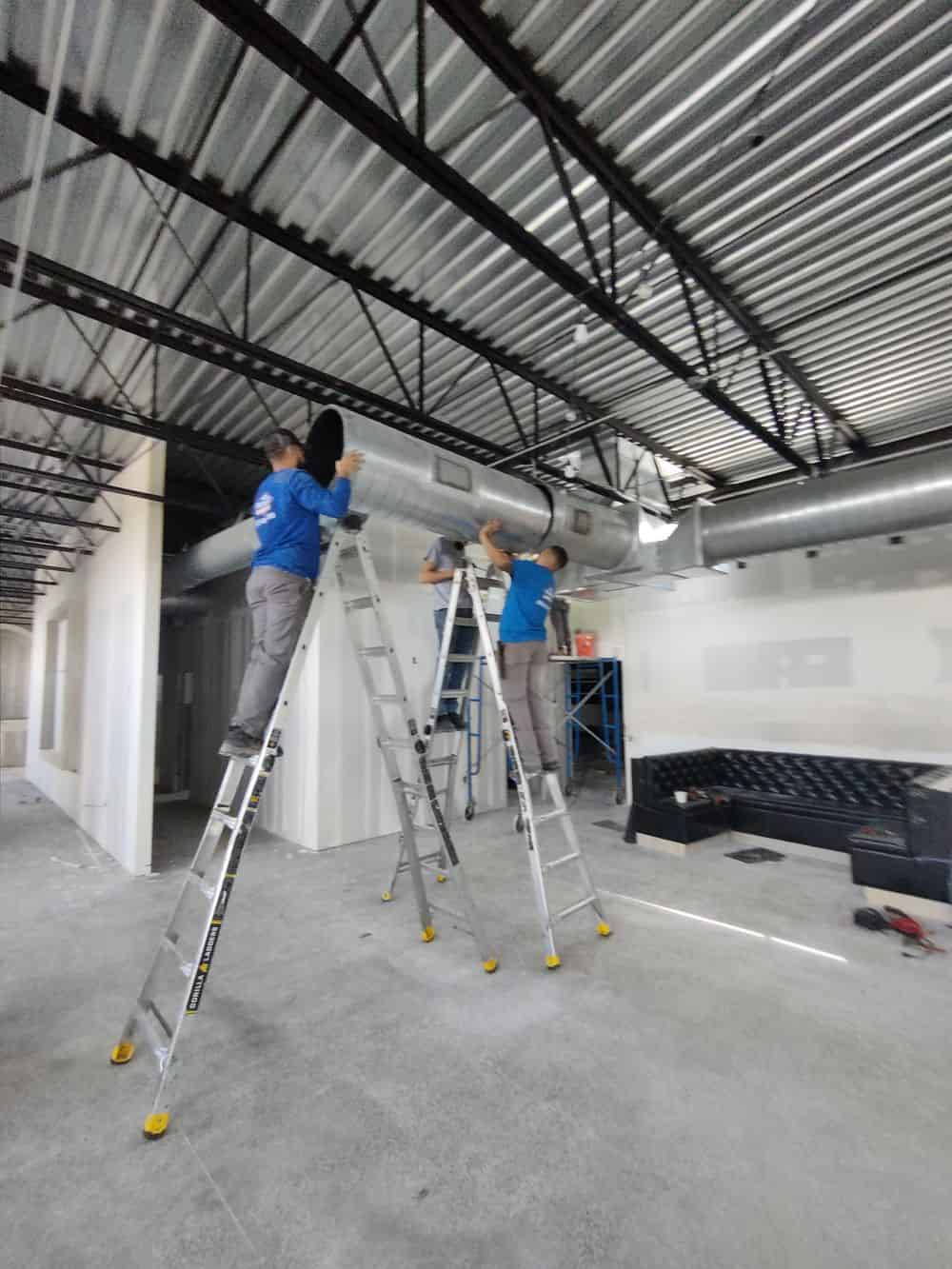
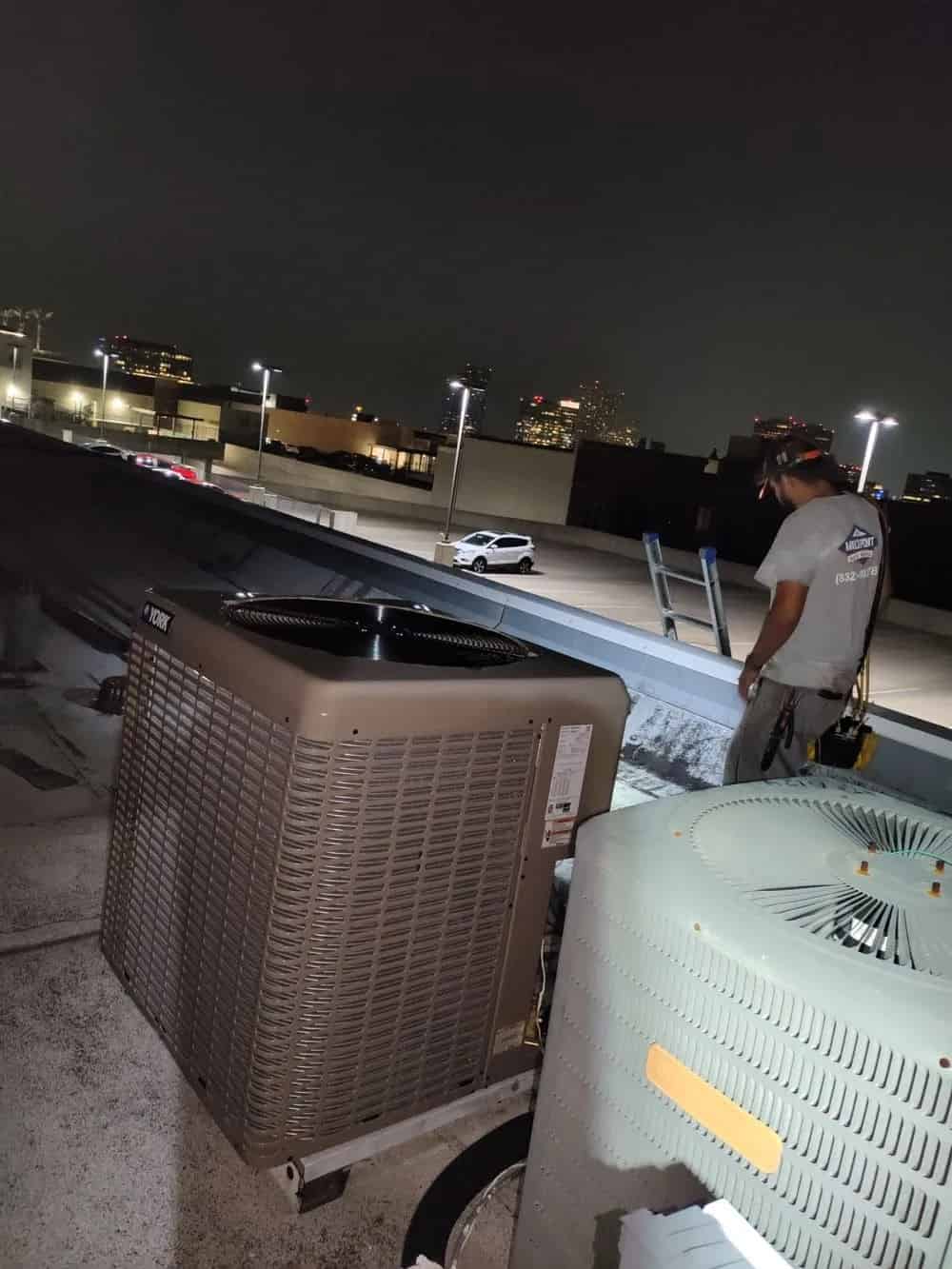
AC Repair and HVAC Services in Spring, TX
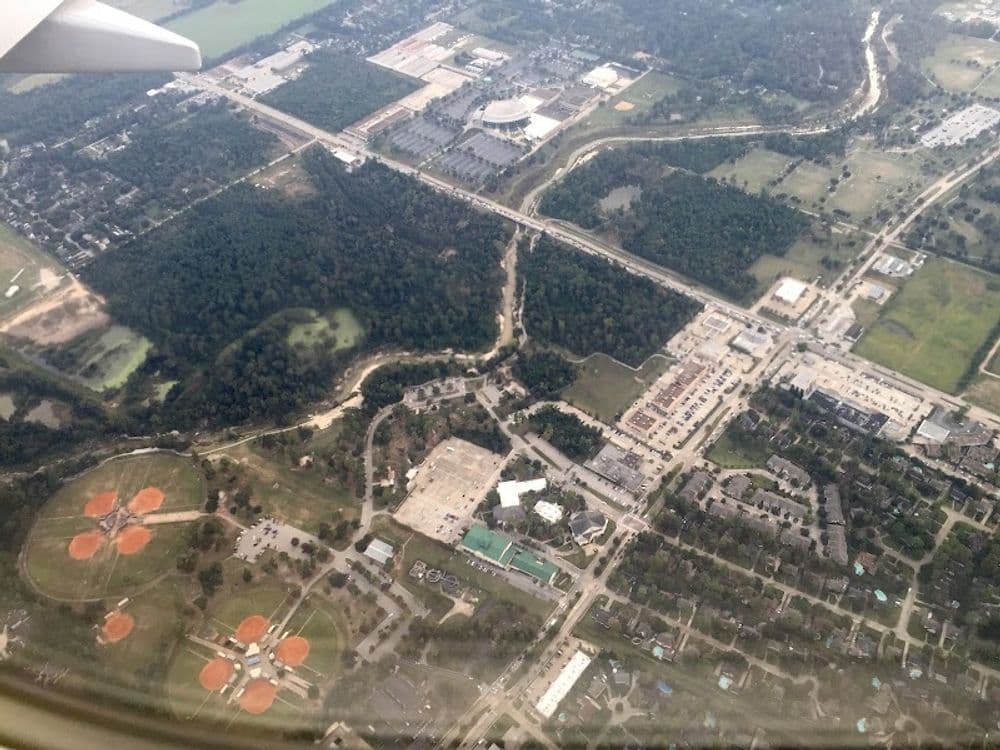
Spring is an unincorporated community in Harris County, situated north of Houston along Interstate 45 and Hardy Toll Road between the Harris-Montgomery county line and the northern edge of the Houston city limits. It occupies a broad stretch of north Harris County that has been one of the most actively developing parts of the Greater Houston area for the past three decades, with residential growth that has produced a dense suburban landscape of subdivisions, master-planned communities, and established neighborhoods layered on top of one another across a large geographic footprint. Spring doesn't have a single municipal identity the way an incorporated city does — it encompasses a wide range of neighborhoods with different development eras, different housing types, and different HVAC equipment ages that reflect when each part of the community was built. Older neighborhoods in the Spring area date to the 1970s and 1980s, mid-era development fills in the 1990s and 2000s, and newer construction continues along Spring's expanding edges. That layered development history produces a wider range of HVAC conditions in one community than almost anywhere else in the north Houston corridor. Multipoint AC & Heating serves Spring and the surrounding north Harris County area with AC repair, furnace service, full system installation, and preventive maintenance.
AC REPAIR IN SPRING, TX
Spring's position in north Harris County puts it at the transition point between the full urban heat of Houston's inner core and the somewhat more wooded character of Montgomery County to the north. The result is a climate that shares all the heat and humidity of the Houston metro but with residential neighborhoods that vary considerably in tree coverage, lot size, and ambient conditions depending on how old the neighborhood is and how it was developed. Older Spring neighborhoods from the 1970s and 1980s have mature tree canopies that provide shade and contribute organic debris to outdoor equipment. Newer subdivisions built on cleared land have less canopy cover, more exposed outdoor units, and higher solar loads on the structures themselves. The AC system in a 1985 Spring home and the system in a 2015 Spring home are operating in meaningfully different environments even though they're in the same community, and diagnosing problems in each requires understanding what that environment actually is.
AC problems we diagnose and repair in Spring include:
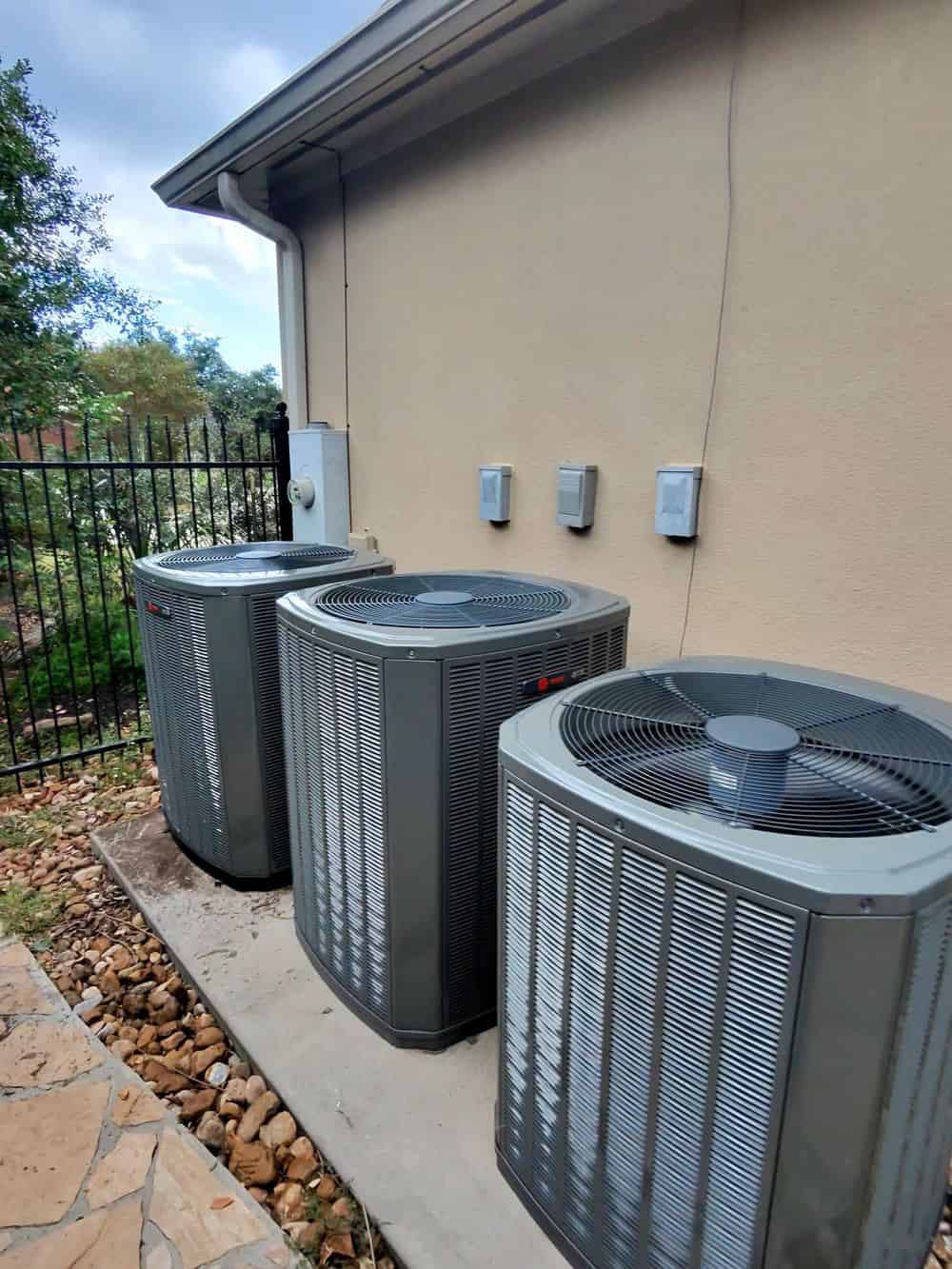
System not cooling adequately — when the AC runs but the home won't reach the thermostat setting, the most common causes are low refrigerant from a leak in the system, a dirty or frozen evaporator coil limiting heat transfer, a condenser coil fouled with debris reducing the outdoor unit's ability to shed heat, or a compressor losing capacity after years of sustained operation. In Spring's older neighborhoods with mature tree canopies, condenser coil fouling from leaves, cottonwood, and organic debris is a consistent factor. In newer subdivisions with more exposure, dust and grass clippings are more common culprits. Either way, a proper diagnostic evaluates the outdoor unit environment alongside the equipment itself before any repair is recommended.
Aging system issues in Spring's older neighborhoods — neighborhoods in Spring that developed in the 1970s through early 1990s have a significant concentration of HVAC systems that are approaching or have exceeded typical service life. On systems in this age range, component failures become more frequent, efficiency has declined from original specifications, and the overall reliability of the equipment is harder to predict without regular inspection. When we're called for a repair on an older system in Spring, we evaluate the presenting problem in the context of the system's overall age and condition and give homeowners an honest picture of what they're working with.
Refrigerant leaks — refrigerant doesn't deplete through normal operation. A system running low on charge has a leak that needs to be located and repaired before recharging. We find the source, repair it, and restore the charge to the manufacturer's specification. On older systems in Spring's established neighborhoods, leak points at fittings, coil connections, and line sets that have experienced years of thermal cycling are common. On newer systems, installation-related leak points at improperly torqued fittings or flared connections are occasional findings.
R-22 refrigerant systems — homes in Spring's older established neighborhoods that haven't had HVAC systems updated in the past decade or more may be running equipment that uses R-22 refrigerant. R-22 has been phased out of production, supply is limited, and recharge costs have risen substantially. If your Spring home has an older system with a refrigerant issue, the economics of recharging versus replacing need to be evaluated in the context of overall system age and condition.
New construction and recently built home issues — Spring continues to see active new construction in its expanding areas, and newer homes sometimes come with installation issues that surface as the systems have been in service. Improperly sized equipment, inadequately sealed ductwork, refrigerant charges that weren't correctly set at commissioning, and thermostat configurations that don't match the equipment are all things we encounter in newer Spring homes. These require a different diagnostic approach than standard component repair.
Capacitor and contactor failure — these electrical components degrade under sustained heat and electrical load and are among the most frequently replaced parts on residential AC systems with accumulated service years. Both are routine repairs when identified through a proper diagnostic and common findings on systems past the ten-year mark in Spring's established neighborhoods.
Condensate drainage problems — Houston-area humidity extends fully to Spring, and the AC removes a significant volume of moisture from the air throughout the cooling season. The condensate drain line can develop algae growth and blockages over time. A backed-up drain causes water damage to the surrounding structure before it's obvious. We inspect and clear the condensate drain on every maintenance visit.
Two-story home comfort issues — Spring has a large stock of two-story homes across both its established and newer neighborhoods. Temperature imbalance between floors is a persistent comfort complaint in these homes — heat rises, upper floors carry higher solar and roof load, and the system struggles to maintain equivalent comfort upstairs and down. Zoning systems, variable-speed equipment, properly balanced ductwork, and attic insulation improvements all contribute to solving this problem. We evaluate what's actually driving the complaint in your specific home rather than recommending a solution before understanding the cause.
Uneven cooling across rooms — comfort complaints about specific rooms or zones that don't respond the way the rest of the house does usually point to airflow distribution issues. Duct leaks, inadequate return air, unbalanced dampers, or a blower motor losing power can all produce uneven results. We look at the full system when this is the presenting problem.
FURNACE AND HEATING REPAIR IN SPRING, TX
Spring's position in north Harris County means the heating season here is somewhat more demanding than in communities further south in the metro, though less extreme than in upper Montgomery County. Cold fronts push temperatures into the low 30s regularly during winter months, and the heating system is called on to run reliably for a meaningful period each year. For homeowners in Spring's older neighborhoods where furnaces have been in service for fifteen or more years, annual heating inspection is worth prioritizing for both performance and safety reasons.
Furnace and heating issues we handle in Spring include:
Heat exchanger inspection — a cracked or deteriorated heat exchanger allows combustion gases into the airstream circulating through the home. This is a health and safety concern that becomes more likely as furnaces age, and in Spring's older neighborhoods where many heating systems have accumulated significant service years, heat exchanger inspection is one of the most important parts of the annual tune-up. We treat it as a priority on every heating maintenance visit.
Ignition system failures — electronic ignitors and flame sensors are the most common failure points in modern gas furnaces. A dirty or degraded flame sensor causes the furnace to light briefly and then shut off on a safety fault. A failed ignitor prevents the system from lighting at all. Both are routine repairs and common findings on systems that haven't been recently inspected.
Blower motor wear — the blower motor handles air movement for both heating and cooling cycles. Bearing wear, electrical degradation, and reduced torque develop gradually and eventually lead to motor failure or furnace shutdown on the high-limit safety control. In older systems common in Spring's established neighborhoods, blower motor condition is worth evaluating on every maintenance visit.
Heating system efficiency in older equipment — furnaces from the late 1980s and 1990s that are still operating in Spring's established neighborhoods run at efficiency levels significantly below current equipment. For homeowners with systems in this age range, the efficiency gap between what they have and what a modern replacement delivers is worth factoring into repair versus replacement conversations.
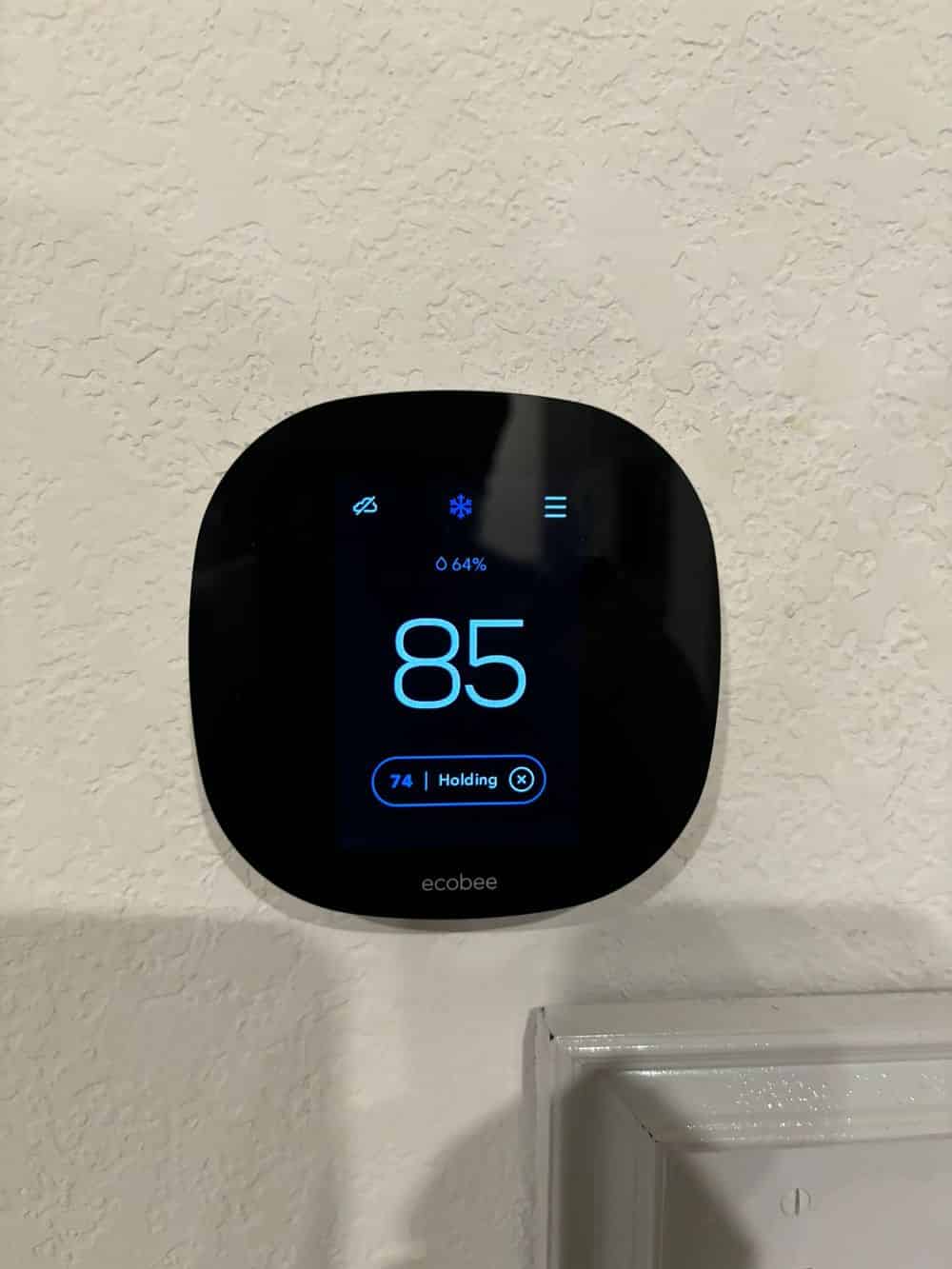
Variable-speed and two-stage heating in newer homes — Spring's newer construction and recently replaced systems often include variable-speed or two-stage equipment with communicating thermostat systems. Diagnosing problems in these systems requires specific familiarity with the technology involved — variable-speed drives, two-stage compressor operation, communicating controls — that differs from diagnosing conventional single-stage equipment. We work with this technology regularly throughout Spring and the north Houston corridor.
Gas supply, burner, and control issues — a furnace producing less heat than expected, taking longer than usual to reach the set temperature, or showing irregular burner operation may have gas pressure issues, dirty burners, or control problems. These are diagnosable during a standard inspection and typically straightforward to address.
HVAC INSTALLATION IN SPRING, TX
Spring's broad geographic footprint and varied development history means HVAC installations here span a wide range of situations — aging systems in 1980s neighborhoods approaching or past the point where repair costs exceed replacement value, mid-era systems from the 1990s and 2000s entering the range where replacement conversations are becoming relevant, and newer construction where installation quality issues have surfaced as systems have been in service.
Proper system sizing is the most important factor in any installation. Spring's climate requires meaningful cooling capacity through a long, humid season, but the heating season in north Harris County is more significant than in Fort Bend County, and sizing needs to account for both. We perform a proper load calculation based on the actual characteristics of your home before recommending equipment.
For homeowners in Spring's older neighborhoods replacing aging systems, ductwork condition deserves evaluation alongside equipment selection. Ductwork from the 1980s and early 1990s may have developed leaks, disconnections, and insulation breakdown that will limit what a new system can deliver if they aren't addressed at the time of installation. We evaluate ductwork as part of every replacement project.
For two-story homes common throughout Spring, we evaluate whether a single-system or zoned approach will deliver better comfort across the full floor plan. In larger homes with significant floor plan complexity, zoning is often the more effective solution for the upper-lower floor comfort imbalance that's otherwise difficult to resolve.
We handle complete HVAC installations in Spring including equipment selection at all efficiency and price tiers, installation of indoor and outdoor components, ductwork evaluation and modification where needed, thermostat and zoning system installation where applicable, and full system commissioning and testing.
DUCTLESS MINI SPLITS IN SPRING
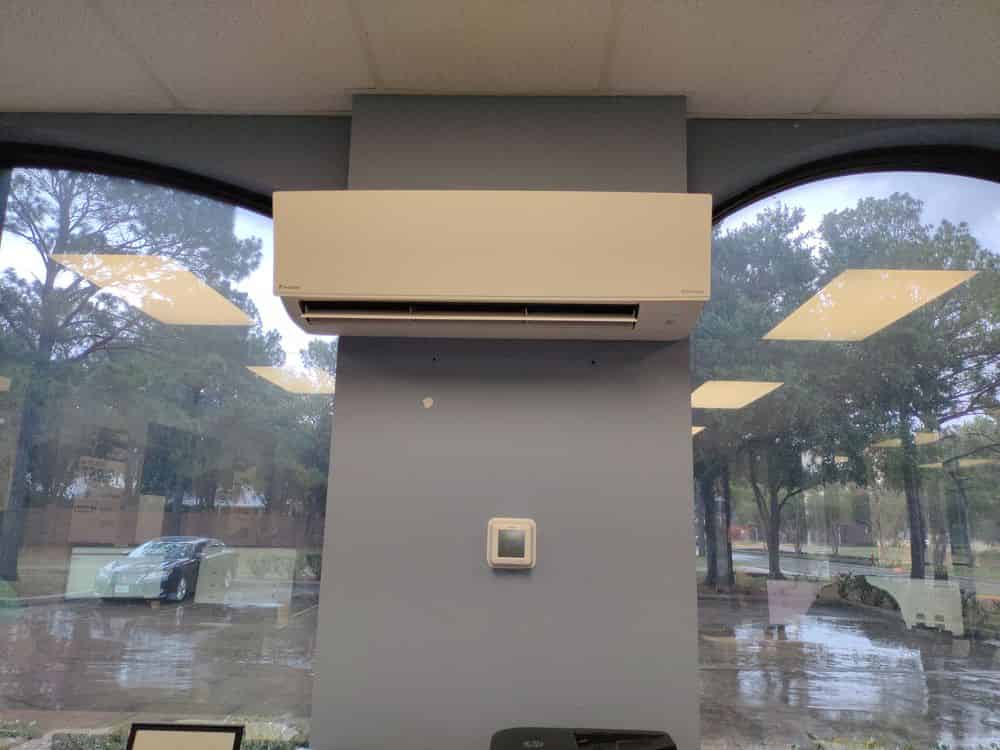
Spring's varied property types include everything from compact subdivision lots to larger properties on Spring's semi-rural edges. Some of these properties include workshops, detached garages, guest structures, or outbuildings that aren't connected to the main home's duct system. Ductless mini split systems are a practical and efficient solution for these situations. They require no existing ductwork, installation is minimally invasive, and they provide independent temperature control for the space they serve.
For Spring's many two-story homes where upper floor comfort is a persistent issue, a mini split targeting specific upper-floor rooms is sometimes the most cost-effective solution when ductwork modification to address the imbalance would be extensive. We can evaluate whether a mini split or a ductwork-based solution makes more sense for your specific situation.
We install single-zone and multi-zone mini split systems throughout Spring and can help determine which configuration makes the most practical sense for your property.
INDOOR AIR QUALITY IN SPRING
Spring's varied housing stock creates indoor air quality considerations across a range of contexts. Older homes in established Spring neighborhoods may have ductwork that has accumulated years of dust, allergens, and biological growth. Newer tighter construction limits natural air exchange and can elevate indoor pollutant concentrations. And Spring's semi-wooded older neighborhoods produce pollen loads during spring and fall that matter more to households with allergies or respiratory sensitivities.
Whole-home air purification systems, UV germicidal lights at the air handler, upgraded high-efficiency filtration, and controlled mechanical ventilation can all make meaningful differences in indoor air quality for Spring homeowners. These are worth discussing during any service visit if air quality, allergy, or respiratory concerns are factors in your household.
PREVENTIVE MAINTENANCE IN SPRING, TX
For homeowners in Spring, the appropriate maintenance emphasis depends somewhat on which part of the community you're in. Older established neighborhoods have systems that are more likely to develop problems and that benefit most from thorough component evaluation during tune-up visits. Newer subdivisions have systems that are less likely to have developing failures but that still benefit from coil cleaning, drain clearing, and efficiency verification.
A spring cooling season tune-up in Spring covers cleaning the evaporator and condenser coils, checking refrigerant charge and inspecting for leaks, testing electrical components and connections, inspecting and clearing the condensate drain, checking blower motor operation and airflow, lubricating moving parts where applicable, and verifying thermostat calibration and system response. For systems with variable-speed equipment or zoning systems, the maintenance visit also includes checks specific to those components.
A fall heating inspection adds a complete check of the heat exchanger — which we treat as a priority in Spring's older neighborhoods where furnace age makes this the most safety-relevant part of the inspection — burners, ignition system, gas pressure, flue and venting, and all safety controls.
For homeowners in Spring's established neighborhoods with systems in the fifteen-plus year range, maintenance visits are also the right time to have an honest conversation about overall system condition, realistic remaining service life, and what replacement would involve. Planning that transition before a failure forces the decision almost always produces a better outcome than making it under emergency pressure in the middle of a Texas summer.
SERVING SPRING AND THE SURROUNDING AREA
Multipoint AC & Heating serves communities throughout Greater Houston and north Harris County, including Spring, The Woodlands, Tomball, Humble, Kingwood, Cypress, Klein, and surrounding areas. Spring is a substantial and growing part of our north Houston service area, and every call receives the same response and the same standard of work regardless of which neighborhood or subdivision it comes from.
For AC repair, furnace service, HVAC installation, or preventive maintenance in Spring, TX, contact Multipoint AC & Heating today.
Call Multipoint AC & Heating at (832) 963-3789 to schedule service today. We are here 24/7 for urgent HVAC problems and ready to help you stay comfortable in every season.
Why Homeowners Keep Calling Us Back
See what local customers notice most—fast help, honest service, and heating and cooling that works right.

"(Translated by Google) Great company, very punctual with excellent customer service, I recommend them 100%. (Original) Muy buena compañia, muy puntuales con exelente trato al cliente, los recomiendo 100%"
"Eric and his team were phenomenal. They were punctual, friendly, and very informative. Eric provided a detailed analysis of the issues with our system and his team provided service based on my schedule. Thanks Eric!!!!"
"Izzy did a superb job! He arrived on time, covered the work area and explained everything to detail. Completed the job as described and they cleaned the work area. He was very professional, and we are extremely happy with the work! Immediately we can tell the bedroom is cooling now! Outstanding work."
"Quick response and professional installation/ repairs. Appreciate the honest pricing."
"Erik and Izzy did a great job installing my exhaust fan/ light combo along with some ductwork on my bathroom remodel. Highly recommend."
"Some of the best in the industry. Great hardworking, honest and quality quality quality!"
"We recommend Multipoint Great value and service."
"Great communication and very professional. Did great work and kept us informed. I would definitely refer them!"
"Super nice guy and answered every question I had"
"These guys are the best! I highly recommend using Multipoint for your AC needs. Erik is a solid guy, no BS. And the entire install team were professional, polite, clean, and super respectful."
"The technician from this company , Mr. Izzy was very prompt and on time, very courteous, very professional, and very competent in the knowledge of his profession. Mr. Izzy was very attentive and understanding the needs of his client. He was very detailed about the knowledge and solution of my AC concerns. I strongly recommend this technician for any and all of anyone’s problems relative to AC and other concerns."
"Good fast service Repair with multipoint ac and heating here in Houston tx"
"Multipoint came out and fixed my thermostat in less than 30 minutes great service"
"The only honest AC repair company in Houston that is worth your money whenever you need something done for your system."
"Very nice guy. He did a great job and got our new unit going in no time. I definitely recommend and will be using them from now on."
"Izzy was great. He is knowledgeable and he immediately caught the issue and fixed it."
"Ismael and Eric did the great job. I always call them to do My job when ever needed. Thanks to them again ."
"These guys are great! Very professional and knowledgeable."
"Great and friendly service. The technician was supper aware of what the different problems could be with the AC."
"Izzy was very thorough and honest! Highly recommended!"
"(Translated by Google) They are very professional and did an excellent job; I had an emergency and they resolved it very quickly. (Original) Son muy profesionales e hicieron un excelente trabajo, yo tenía una emergencia y lo resolvieron muy rápido"
"My air conditioner went out and I called multiple ac companies and the prices were outrages. Finally I got in contact with Multipoint, they were responsive and were out here the same day with a price I could afford. I am happy with my purchase and recommend Multipoint 100%"
"Had an amazing experience with Izzy! He was so GREAT at his job! Very knowledgeable and kind. I really appreciate his service!"
"I can’t say enough good things about Izzy! I called him very early on a Saturday morning, and not only did he answer—he showed up within just a few hours. He was early, professional, and incredibly kind. As a single woman, it means the world to feel safe and supported when something goes wrong at home, and Izzy truly went above and beyond. He even came back later just to change my filter and make sure everything was running smoothly. His customer service was phenomenal—responsive, respectful, and genuinely helpful. I highly recommend him to anyone looking for reliable, honest HVAC service. Thank you, Izzy!"
"(Translated by Google) Good price…good job. Satisfied 👍 (Original) Buen precio….buen trabajo. Satisfecho 👍"
"Best customer service i had since i moved to texas from Hawaii After a few days of bad weather I noticed our ac wasn't working like it used to, with the ac on with thermostat set to 69 degrees and inside temperature was staying at 89 degrees all day. I reached out to them and spoke to them and they came out the next day at 8 am in morning working in the mud after yesterdays big rain diagnosing what was wrong with my ac. They were very professional and they new what they where doing and explained to me that my outside unit had a bad capacitor and fan motor i gave them the ok and they fixed everything and also checked the Compressor to make sure everything was good to go with my ac system. Now my kids are happy and my wife is happy boy did they save me from another day with a angry wife. Trust me nothing is worse than dealing with a woman who is mad because it's 90 degrees in the house sweating and irritable. I wanna thank the guys for coming out and taking care of my family by fixing our ac."
"(Translated by Google) Excellent quality, workmanship, and professionalism; quick installation. 100% recommended 👌🏻 The best ⭐️ (Original) Excelente calidad, trabajo y profesionalismo, rápida instalación. Recomendado al 100%👌🏻 Los mejores⭐️"
"Professional, honest and timely help. I highly recommend the team at Multipoint A/C and Heating.Will recommend to family and friends."
"If your looking for good AC and Heating services man look no further these guys were professional and helped me and my parents with my AC that gave out on us, in a matter of time it went from desert heat to artic cold these guys definitely know what there doing give them a call you won’t be disappointed!"
"The technician arrived on time and worked with great attention to detail , found couple of area which needed help, discussed the possible needs for freeon which he corrected at the end .his charges was fair and did not tried to add extra cost like Other technicians."
"Very professional and very good service, my AC is working perfectly, I would recommend it for the quality of work done, good job"
"Very professional and respectful company! They do amazing work in a timely manner. Highly recommend! 10/10"
"(Translated by Google) Very good work, they're friendly and explain the problem well, and I like that they explain the problem clearly. (Original) Muy buen trabajo y amables y esplican el problema bien y me gusta que te esplican bien el problema"
"I had the best customer service from when I called to my new equipment installation. Thank you all for all you do."
"Multipoint is the only choice! These guys are very knowledgeable and know exactly what they’re doing. If you have AC & Heat issues, make sure Multipoint are the first to call!"
"A debt of gratitude to the Multipoint family I will say having your A/C break in the middle of summer in Houston isn't on the top of my happy list, they made the whole process a pleasant one. Our installers were extremely professional, fast, efficient and kept things running smoothly for us. Amazing service, quality and value. Thank you for being there for us!"
"Multipoint were very quick and attentive, first time working with an a/c company and I will continue to contact them for any future problems and would 100% recommend them!"
"Great service! Erik is an expert and a professional. Would highly recommend!"
"Spoke with Erick throughout the process. Extremely helpful, understanding & honest worker. My AC had been out for a week until I finally reached out & he had my AC running the same day. Couldn’t recommend enough."
"It's nice to write a good review. Our A/C stopped cooling downstairs Saturday night so 1st thing Monday, I got on line and started looking. I came across Multipoint on both Google and Yelp and good reviews from both. So I gave them a call. Set up a time to come by and they were on time to the minute. The two technicians that showed up were both courteous knowledgeable. They diagnosed the problem in a matter of minutes and had my A/C back up and running in less than 30 minutes. Considering the unit is 12+ years old, I was expecting several grand, but the cost was minimal. They could have told me needed a new compressor of some other expensive item, but nope, a small electrical switch that had died over yrs of use. I know my issue was small and quickly resolved, but considering how professional they were for a small job, I would only expect the same for bigger jobs."
"Multipoint AC was wonderful to work with! This group was very professional, respectful, reliable and thorough. They re- did all of our duct work. They were a pleasure to Work with . 10/10 would recommend."
"I have nothing but praise for the young men that installed my new air conditioner.They were dependable ,started on time promised,cleaned up after,respectful of my property.I would highly recommend this company!!"
"Tech is very helpful and professional , I had to replace my whole AC unit since it was not cooling. He explained the process of what I needed, I’m very happy with the service and the team that came out to replace my system were great"
"I highly recommend Multipoint AC & Heating. They repaired a leak in my HVAC system which also involved sheetrock repair. They installed a UV light system, cleared my condensate line and did semi-annual maintenance on both my AC units. Ismael led the team on the repair and maintenance work. He and his team are very professional and kind. They cleaned up their work areas after they finished, which I really appreciate. I signed up for semi-annual maintenance with them to avoid having or minimizing HVAC problems in the future."
"The whole team (Erik, Virgilio, and Izzy) did a great job. They quickly diagnosed the problem and came up with a solution. Professional, trustworthy, and knowledgeable. Give them a call."
"Great work"
"Called Multipoint and they were at my home promptly and give me an honest quote. They are quick, professional and very friendly. I will use them again."
"AC went out & contacted Ismael regarding my issue he made sure to come the same day he was quick & professional. Highly recommend him!"
"(Translated by Google) Excellent service. 100% recommended Multipoint AC & Heating. (Original) Excelente servicio. 100% recomendado multipoint AC & Heating"
"Great team to work with , they are knowledgeable and experienced."
"Erik and his crew were OUTSTANDING!! Very professional and no pressure or up sales. They do what is right and not what makes them the most $$ unlike other HVAC companies. From start to finish, the experience was smooth and hassle-free. Can't say enough. Would highly recommend them and will continue using their service/s"
"Exceptional service"
"Great knowledge, good service reliable company thanks for the help multipoint team"
"Erik, and his team were very professional and courteous. They were always on time for each appointment. We were treated with respect. The customer service was top notched. We trust your company and have confidence that Multipoint really cares about their customers. Don't ever lose your genuineness as you are the best in the industry. We appreciated your understanding and patience as we worked with our insurance company. You are now in our directory for maintenance and other services in the future!"
"10/10 service definitely will recommend the work was exceptional.will continue to use them in the future.Ismael was very knowledgeable about his work thank you for your great customer service."
"The best work I’ve seen and very professional and time efficient. I highly recommend this business."
"This was my first time to use Multipoint AC and Heating and I am very pleased to provide my feedback for their excellent service. Eric showed up in time and kept me informed even before his arrival. He demonstrated a high level of his knowledge in HVAC system and was very professional. His work ethics were way above normal levels. He was very transparent and helpful in responding to my questions. I am also a technical person and my questions were not easy ones but he took time to answer them all and troubleshoot my HVAC issues. Excellent work , keep it up Eric !!!"
"Fast, efficient, great customer service, responsive, and reasonable. We got quoted one price that was astronomical, which lead me to shop around. I submitted a quote request that wasn’t that detailed but Erik responded and knew exactly what I was talking about. The communication from that point on was very consistent. There were other competitors who had similar quotes, but Erik won me over with his customer service. His crew was as exceptional. Thank you so much!"
"Multipoint was very professional and very responsive. They worked very fast and did a very great job. Would definitely recommend to everyone."
"Professionals. Charged a very fair price"
"(Translated by Google) Excellent service, fast and efficient, good price and very professional, I recommend them 100%. (Original) Muy buen servicio, rápidos y enficientes, buen precio y muy profesionales, los recomiendo 100%."
"Multipoint came out same-day when our ac failed. It’s late summer and brutal so every minute counts. They found the issue, replaced the bad part and cleaned up our condenser all in a little under an hour. They showed up when they said they would, which is big for me. Overall I would recommend them and use them again."
"Izzy, did a great a great job! The guys were super helpful!"
"(Translated by Google) Excellent service. They arrived, disconnected the old equipment, and connected the new one. They made all the necessary arrangements for the installation. Upon completion, the house was completely cool and there was no trace of them having been there. 100% recommended. Excellent service. They arrived, disconnected the old equipment, and connected the new one. They made all the necessary arrangements for the installation. Upon completion, the house was completely cool, and there was no trace of them having been there. 100% recommended. (Original) Excelente servicio, llegaron desconectaron el equipo viejo y conectaron el nuevo, haciendo todos los arreglos necesarios para la instalacion del equipo nuevo, al finalizar la casa quedo bien fria y sin rastro de que ellos pasaron por alli. Recomendado 100% Excellent service. They arrived, disconnected the old equipment, and connected the new one. They made all the necessary arrangements for the installation. Upon completion, the house was completely cool and there was no trace of them having been there. 100% recommended."
"Very professional and knowledgeable, great value for the quality of service, and experience."
"Multipoint AC & Heating is great. I explain below why. I just bought my house & the AC was old but I don’t know that is out of order, when they checked they find out the compressor is already gone. Then they told me I need to install new one. Then I start to check the price for AC UNIT & Installation, Truly Speaking they give the lowest quote. Installed in very short time.Their work is really professional when you see then you understand. They did some extra work which is out of the quote (install Amazon wifi thermostat, clean the other AC UNIT coil etc) but didn’t asking any extra money. They are really responsive, Whenever you call they reply very fast not like some big famous company (very hard to get schedule & also charge every small item). I refer this company to my friends & family. Finally I say one thing, If you need AC installation or repair then call them then you understand I am right or wrong."
"Our tech was very helpful and honest. He advised a unit replacement and explained why. I also liked how he was very detailed and answered any questions I had"
"While I have not worked with Multipoint AC regarding their HVAC services, I can acknowledge the level of professionalism Eric and Ismael operates with. They are transparent professionals and I would recommend anyone do business with him on their HVAC needs"
"Easy to work with and quality/honest work."
"Ismael came out and did a repair within 45 minutes of reaching out to them and got my issue repaired in 15 minutes. Very quick and great service. Would recommend"
"Outstanding work , quick & efficient. Techs proficient especially with the parts i had no knowledge about. 5/5"
"Erik was great. He was on time and very knowledgeable about HVAC systems. I will definitely use Multipoint AC & Heating again."
"I highly recommend to anyone looking for an ac company. They are super reliable, honest and very knowledgeable in their work. Erik is the best he answered all my questions and concerns and got the job done right and fast."
"(Translated by Google) Excellent service, recommended Very good, clean service (Original) Exselente servicio recomendado Muy buen servisio limpio"
"Erik with Multipoint was GREAT to work with on my new 5-ton system. He arrived on time and in 3.5 hours he and his crew had my old unit removed, our new 5-ton York system up and running and had everything cleaned up like they were never there. I am so happy I chose Erik and Multipoint to work with. Our new unit is working great, and we could not be more pleased. I would highly recommend Multipoint to everyone I know."
"I’ve was recommended these guys to anyone that needs work done. Got my house nice and cool in the summer and nice and warm in the winter. These guys don’t disappoint"
"(Translated by Google) They're in charge of my AC, for maintenance or anything else I need. Yesterday my air conditioner stopped working and I called them late. They tried to help me over the phone but couldn't resolve the issue. This morning at 9:00 AM they arrived at my house and fixed it in 30 minutes. Fair prices and excellent service. I recommend them without hesitation. (Original) Ellos son los encargados de mi AC, para mantenimiento o cualquier cosa que necesite, ayer mi aire acondicionado dejó de funcionar y los llamé tarde, trataron de indicarme por teléfono pero no se pudo resolver, hoy a las 9 de la mañana llegaron a mi casa y en 30 min lo arreglaron. Precios justos y muy buen servicio. Los recomiendo con los ojos cerrados."
"I can’t say enough good things about Multipoint AC & Heating LLC and their technicians. They arrived on time, quickly diagnosed the issue, and completed the repairs the same day. Their price to replace the evaporator coil was $1,100 less than what we were quoted by a company we’d used for years and even had a membership with. Moving forward, Multipoint AC & Heating LLC will be our go-to for all heating and A/C needs."
"I had a great experience with Multipoint AC & Heating. After dealing with AC issues for two days, their technicians Izzy and Virgilio came out and got everything fixed quickly and efficiently. They were very professional, called ahead so I could be available, and made the whole process smooth and stress-free. Now my home is nice and cold again! I’m extremely satisfied with the service—10/10. I highly recommend them for any AC needs."
"One of the best to offer HVAC services in Houston, Texas. Highly recommended, and always available for your needs."
"Very good service"
"I wish I could give 6 stars!! I'm really impressed by the level of professionalism, respect, and overall service of this company. From the moment I called to get a quote, to the technician visit to estimate the job, to the actual install, the crew has been outstanding - honest, efficient, communicative, punctual... and on top of that, with very competitive prices. I highly recommend them!"
"Excellent service and great price! Friendly and informative!"
"These guys are great! Came out, diagnosed the issues right away and got everything fixed immediately at a great rate. Highly recommend them!"
"We had issues with our AC unit on the second floor. Eric came in the same day and took care of it the same day. Very knowledgeable and responsive. Highly recommend!"
"Eric answered everytime, he was thorough in his explanation and I feel he was honest. When installing the AC unit the ladder to the attic broke. He let me know right away and came back to fix it. He did not accept payment until AC was in place and ladder was replaced. I decided to replace the AC. Eric was not able to replace it till the next day so he brought window units for the renters to be comfortable in the meantime. He did not charge extra for the new ladder or window units. The repair, transaction and dealings with Eric were hassle free. I would definitely recommend him and use him again."
"Amazing work, great guys. 100 percent would recommend these guys."
"Did a good job would recommend Izzy"
"Very great job done by izzy"
"Great company and team!!"
"Good job"
"My Air conditioner was not getting cold and needed Freon for circulation but the version needed no longer available and possibly it may have a leak. Izzy recommended a new unit and they were able to install a new one in a timely manner with a good discount. I will definitely recommend Multipoint AC/Heating to family and friends for reliability, efficiency and being honesty. And also happy with the long warranty for peace of mind"
"Great service and fast response."
"I’m very satisfied with the service The guys are amazing Specially, Mr. Izzy"
"Awesome work! They were really efficient, knowledgeable, and hard working. As a inspector, I plan on using them for a long time."
"Izzy was professional and knowledgeable and a big help making the process of our air being out easier for us."
"Izzy, did a great a great job!"
"Multipoint AC & Heating came the same day I called. Erik was able to fix the issue right away. They are very reasonably priced, nice and friendly. I will recommend them to any of my friends and family."
"The two gentleman that came to fix my AC were very professional and fixed exactly what I needed in a timely manner. Thanks guys."
"Erik came came out the very next day and fixed the problem! Great customer service and very knowledgeable! Thank you again, Erik!"
"These guys have been solid with repairs I needed after getting an install with another company - which I would have never used had I known about multipoint before hand. Priced right with the knowledge these guys have, there is no reason to shop anywhere else."
"Very helpful and efficient"
"Amazing quality service, honest people. They told me what i needed and i didn’t feel like i was being scammed from replacing a whole ac unit, I recommend this company 100% 10/10."
"Great company and great professionalism! Izzy quickly assessed the situation and got cool air coming through the house again!"
"Amazing service! Eric and Ismael were very nice and professional. They showed up on time and got everything fixed quickly. I really appreciated how efficient and courteous they were. Highly recommend!"
"Multipoint is the only choice! These guys are very knowledgeable and know exactly what they’re doing. If you have AC & Heat issues, make sure Multipoint are the first to call!"
"Virgilio, Ismael and Eric are the best! Our air conditioning system broke right when this Texas heat started and they were able to come out and replace it next day! Quick and speedy service too, they were able to finish in an hour! They are the BEST in Houston hands down! Thank you guys so much!!!!"
"Great fast and clean service"
"The whole team (Erik, Virgilio, and Izzy) did a great job. They quickly diagnosed the problem and came up with a solution. Professional, trustworthy, and knowledgeable. Give them a call."
"This 4-brother team of HVAC professionals is the most client-centered team I have ever worked with. They are punctual, respectful, considerate, and very reasonable when it comes to price. Anyone that hires them, will be blessed!"
"Je was fast to diagnose and fix the issue. Great! He has the fuse on hand No waiting at all."
"Very friendly and good prices and nice service"
"Eric is the best HVAC Tech they will work with you and they are very reasonably priced."
"Quick response, very friendly and got the job done! He was recommended by a friend that uses him for his business projects on various buildings and homes."
"Multipoint AC & Heating is an excellent choice for installation/maintenance of your air conditioning system. They have a friendly and efficient workforce, and their prices are reasonable. I highly recommend them to anyone in need."
"Great company. Came in and replaced my Ac unit inside and out. Very professional and got the job done fast and efficiently. Even answered any follow up questions I had afterwards. Thanks again"
"Ismael with Multipoint AC & Heating helped me out in a very crucial time. The cold winter had hit Houston and our heater system was not working. My wife and kids couldn’t handle the cold. With one quick call, Ismael and his team assured me that they would have our heating up and running in no time. After shopping around with other contractors, they gave me the best deal and their craftsmanship reflects the price. We haven’t had an issue since. Thank you very much Ismael and team, you guys exemplify class and expertise."
"Eric and Ismael serviced my home. AC unit wasn't cooling correctly. Both were very professional and knowledgeable."
"Quick service. Proposal was given same day of call. And service was next day. Virgil and his brother Eric are amazing to work with!"
"I highly recommend using Multipoint AC & Heating for any HVAC services you may need. They were fast , reliable and were able to help me with an issue I was having with my ac system. Their customer service was great , Couldn’t ask for anyone better !"
"Excelente servicio. 100% recomendado multipoint AC & Heating"
"I can’t say enough great things about Multipoint! From start to finish, their team was professional, knowledgeable, and truly went above and beyond to ensure my AC was running perfectly. They showed up on time, diagnosed the issue quickly, and explained everything in a way that was easy to understand. The repair was done efficiently, and my home is now cooler than ever! What really sets them apart is their honesty and dedication to customer satisfaction. They didn’t try to upsell unnecessary services—just honest, high-quality work at a fair price. I highly recommend them to anyone looking for top-notch HVAC service!"
"Izzy was very friendly, and knew what he was doing, he is very experienced with his job. I would like for him to come back if I ever need him again to fix my heater or my air."
"My ac was not coming on called multipoint and had a technician come out and fix my system all in the same day. I'm really happy and satisfied."
"I can't recommend Multipoint AC and Heating enough for anyone in need of HVAC services. From start to finish, the experience was smooth and hassle-free. Their pricing is very cost-friendly, especially compared to others I looked into, and there were no hidden fees or surprises. The technician who came out, Virgilio, was absolutely fantastic extremely professional, knowledgeable, and respectful of my home. He took the time to explain everything clearly and made sure the job was done right. It's not every day you find a company that delivers both quality service and fair pricing, but Multipoint really exceeded my expectations."
"Eric was very knowledgeable and professional. He gave details of issues he noted and was able to take care of them during his visit. He was thorough, did not rush and made sure that every concern I brought up was addressed. I definitely recommend this company. 👌"
"Great Service! Always on time and quick to get your AC up and running."
"These Guys Rock!! Fast, friendly and very knowledgeable!! I am in the maintenance industry myself and I know what good work looks like. Great services and prices. I Highly recommended these gentleman."
"Erik, is great and always gets the job done. Very kind and respectful man. Will definitely continue to have him back in my home when I have a problem!"
"The best heating and air conditioning company in town, best prices, professional staff, and excellent customer service."
"My heater wasn’t working, they showed up in less than an hour and were able to fix it quickly. Very reasonable prices, very professional. Highly recommended."
"Excellent service and timely response! Highly recommend! 😊💯"
"Virgil is very skilled at is job, takes his time and make sure the customer is satisfied. Give him a try 👍🏽👍🏽"
"Multipoint AC & Heating has been my go to for the last year! They have great prices on maintenance and always cover my needs in a timely manner. Glad I found this company for my rental properties."
"Erik sent someone to my house within an hour of contacting him and he’s very knowledgeable and personable. They are my go to HVAC technicians."
"Very friendly and knowledgeable, and extremely hard working group"
"great service! guys were very professional, helpful and knowledgeable with there work. Highly recommend!"
"Fast response,very clean and professional install.Great communication .Very attentive to detail and great teamwork ."
"Ismael and Erik are very family oriented people and they understand you. They do their best to beat everyone's price and deliver with an absolute professional job. When things need to be fixed and at a very affordable price, multipoint AC is THERE. Thanks guys!!!"
"Exselente servicio recomendado Muy buen servisio limpio"
"Ellos son los encargados de mi AC, para mantenimiento o cualquier cosa que necesite, ayer mi aire acondicionado dejó de funcionar y los llamé tarde, trataron de indicarme por teléfono pero no se pudo resolver, hoy a las 9 de la mañana llegaron a mi casa y en 30 min lo arreglaron. Precios justos y muy buen servicio. Los recomiendo con los ojos cerrados."
"I was extremely impressed with the service I received from Multipoint AC & Heating. My AC went out a few days ago, with the current heatwave I needed it fixed asap. I got a recommendation from a friend and I reached out to the Multipoint team and they were able to come out the same day. The technician, Eric and Ishmael were knowledgeable, courteous, and quickly diagnosed the problem. They explained everything clearly and got my AC running again in no time. I highly recommend them for any AC repair needs."
"Erik was very polite & knowledgeable when helping me choose the A/C unit that was right for my family & I. The Multipoint AC & Heating team was very professional and quick when installing the system in my home as well. I had not issues at all and it was also a great price highly recommend!"
"I’ve was recommended these guys to anyone that needs work done. Got my house nice and cool in the summer and nice and warm in the winter. These guys don’t disappoint"
"Called and they were quick and seemed to care for the clients best interest. Good customer service"
"Professional and efficient in the installation and ongoing support."
"Multipoint was a great company to work with. They came out same day and had my AC back up and running the next morning. They arrived on time, were professional and very informative."
"Virgilio did it again. My AC running like new again. 100% recommend this guy and his company. Summer around the corner we need that Ac"
"Great service. Got things done quick and easy. Very organized. Highly recommend for A/C installation and inspection."
"Excellent job, very quick, professional and clean, their warranty is the best. I recommend this company, and very happy with the service."
"I can say with confidence that Multipoint AC’s attention to detail, and high-quality service truly stand out. They provide thorough and informative guidance, ensuring you feel confident and answered any questions I might have had throughout the process. Highly recommend for anyone looking for top-notch service!"
"Great service! Family friendly."
"We had to very quickly get our ac and heater replaced before the freeze coming in the next few days. Erik was able to get us scheduled and get 3 guys out here the next day to install everything. They did an amazing job and left my house clean when they were done. Will absolutely be using in the future for any other HVAC needs!!! Thank you guys!!!"
"Great work, got us up and running the same day. Would recommend!"
"Great customer service, very professional !! I would highly recommend . Thank you so much !"
"Professional and efficient. Virgilio and team are very informative and helpful. Would recommend 10/10"
"Great service. Highly recommend for anything to do with A/C. Very neat and organized and professional. Would definitely recommend."
"Virgilio was very helpful diagnosed correctly and got the job done in a timely manner 10/10 definitely recommend"
"Virgil is awesome at what he does and pursues excellence in his work!! Extremely grateful for him and his attention to detail!"
"Reallly good people ! My hvac unit was down and Ismael was able to help me out . My blower went out, they replaced it and installed a new one . Really goood service , recommended 100 % !"
"10/10 service definitely will recommend the work was exceptional.will continue to use them in the future.Ismael was very knowledgeable about his work thank you for your great customer service."
"I had a great experience with MultiPoint AC & Heating. From the moment I reached out, the process was smooth and straightforward. They were quick to respond and set up an appointment. I received a detailed, professional quote that included pictures and clear explanations of the work that needed to be done. It really helped me understand everything without any confusion. The team is extremely professional, knowledgeable, and trustworthy. Highly recommend this company for anyone needing reliable AC and heating services!"
"This team is the best! Very professional and answered all of my questions regarding the service which was also great as well!"
"My AC system finally gave up on us, but this team of guys showed up and really worked hard getting my new system. Installed the same day. Great price great work very knowledgeable. Highly recommend would definitely refer to friends and family."
"Great company. Perfect for your HVAC needs. Izzy and his crew are amazing"
"Erik and his team did a great job changing my AC Unit. Their excellent customer service is highly recommended."
"I highly recommend Erik and his AC and Heating company! From start to finish, the service was outstanding. They are professional, punctual, and truly know their stuff. They handle everything with ease and efficiency. He went above and beyond to make sure my home stays comfortable year-round, providing clear communication and fair pricing. I trust them completely for all my heating and cooling needs, and I wouldn’t hesitate to refer them to family and friends. If you’re looking for reliable, high-quality service, look no further!"
"Muy buen servicio, rápidos y enficientes, buen precio y muy profesionales, los recomiendo 100%."
"Very good service, guys came out super respectful and got every done perfectly. Awesome job guys would recommend 10/10 times thank you."
"Excelente servicio, llegaron desconectaron el equipo viejo y conectaron el nuevo, haciendo todos los arreglos necesarios para la instalacion del equipo nuevo, al finalizar la casa quedo bien fria y sin rastro de que ellos pasaron por alli. Recomendado 100% Excellent service. They arrived, disconnected the old equipment, and connected the new one. They made all the necessary arrangements for the installation. Upon completion, the house was completely cool and there was no trace of them having been there. 100% recommended."
"I needed a quote for my a/c system, the tech came out and inspected the a/c system gave a me a fairly price and he was really knowledgeable, explain everything with detail I will recommend with my friends and family they are very experienced on the HVAC field m, thank you so much for being so helpfully"
"I had an outstanding experience with Eric from multipoint A/C & Heating . From start to finish, he was professional, knowledgeable, and efficient, with very reasonable price. I highly recommend multipoint for any A/C & heating services"
"Great service, great price and quick work"
"Super fast response and great technicians. Will definitely use again!"
"Good service"
"Great customer service! Affordable prices with top quality results!"
"Muy buen trabajo y amables y esplican el problema bien y me gusta que te esplican bien el problema"
"What an amazing company! They were fast, friendly, and super informative about the products they provided."
"Good customer service, I recommend this place."
"Absolutely amazing service! Erik and the team were professional, efficient, and went above and beyond to make sure everything was perfect. Highly recommend Multipoint AC & Heating!"
"Got me ready for the summer, helped me during the cold."
"Highly Recommend! I had an amazing experience with Virgil for my AC repair. He was prompt, professional, and clearly very knowledgeable. He quickly diagnosed the issue, explained everything in detail, and had my AC running perfectly in no time. What really stood out was his honesty and commitment to quality work—no upselling, just great service. If you’re looking for someone reliable and skilled, Virgil is your guy!"
"Erik and MultiPoint AC & Heating are my go-to providers for ALL of my AC and heating needs. They are prompt, professional, trust-worthy, and quality-driven in their performance. I would recommend them to anyone who seeks value because they will save you money while getting the best quality work available. I am a fan!👏💯"
"Had an odd smell and not really cooling. Ishmael came out and fixed us up at an extremely reasonable price. He actually spent time to find the issue and resolve it instead of just quoting some ridiculous amount (which we’ve had before) to change our they system. Will definitely be using him again and highly recommend."
"Great service, very organized would definitely recommend"
"I highly recommend Virgilio he a hard working man and professional in installing the AC units residential/commercial ."
"Excelente calidad, trabajo y profesionalismo, rápida instalación. Recomendado al 100%👌🏻 Los mejores⭐️"
"Very professional and hard working person I do recommend it fair price."
"These guys are detailed oriented, knowledgeable and thorough in their diagnosis, also not mention, they are reliable and quick to respond. Definitely will seek this crew for my A/C needs in the future."
"Friendly, precise, trustworthy, reliable! Great men with excellent work ethic! They came over last summer around 6:00 pm , even after being at work all day driving from location to location on hot summer day they still came over to fix our AC. Highly recommend"
"Highly recommend multipoint AC & heating. I had a problem with my home AC not cooling so I went and got different quotes but this company was the most reliable. They got back to me fast price was fair and it was fixed the same day I called them."
"Izzy is awesome to work with!!"
"Great work, prompt, and cordial. Down to earth small business owner."
"Great service"
"Houston heat is no joke! Erik and Ismael are life savers. Great communication and amazing prices. I really appreciate their help and them looking out for my family. I always recommend them to friends and family. They won’t over charge and be rude like other companies. Thank you guys!"
"Great company to work with. The crew was on time and great with communication! They came and completed the installation in a timely manner highly recommended!"
"My air conditioning system went out called two other companies. They both told me that I needed a complete new system was referred to these guys by a friend. They came out and told me I didn’t need a complete system. I only needed a certain part they were able to get me back up and running Without having to replace any equipment. These guys were awesome truthful and very knowledgeable. Definitely would recommend to family and friends."
"I needed my ac fix, they were here on time and fixed it within minutes, i will definitely use them again."
"Multipoint AC & Heating did a great job fixing My ac at My bakery. Works perfect! Excellent people to work with. I definetly reccomend this company !"
"Buen precio….buen trabajo. Satisfecho 👍"
"Thanks to Multipoint AC & Heating they told us the problem of our system and solved it with ease I would most definitely recommend to anyone in the Houston area!!"
"Had problems with my ac and called them to check it out. Amazing work was done, house felt like a freezer and i hadn’t felt that in a while. They made sure i was set for the summer and I will definitely be giving them my business again. I recommend them to anyone who needs reliable services at a great price."
"Virgil came to my residence on time to take a look at my ac unit that wasn't working, he was polite, keep me to up to date on progress, took time to diagnose the issue, identified the leak and provided me the recommendations, he is a top notch AC repair pro and i will recommend him and this company. 100 stars"
"This is a great company . I highly recommend them.."
"Great service, friendly staff! Will be a repeat customer 🙌"
"Great service, great customer service, and very professional group. Recommend 100 percent!"
"I called multipoint anc & heating and they were able to schedule a technician to come out the very next day. The technician, named Ismael arrived on time and was very professional and courteous. He quickly diagnosed the problem (a faulty capacitor) and explained everything clearly. He had the replacement part on his truck and was able to fix the unit on the spot. The pricing was fair and transparent – ismael gave me an estimate before starting the work, and there were no hidden fees. He also took the time to answer all my questions and gave me some tips on how to maintain my AC unit."
"Great company, great people. Trust worthy, professional, patient, very skilled, very knowledgeable, great pricing, they are willing to get explain every bit of detail to an understand, highly recommended this company!!!"
"Very knowledgeable, very helpful, highly recommend this business. I thought it was my insulation but these guys proved it was the a/c unit. 10 out of 10, A1 service!"
"i highly recommend, erik’s customer service and professionalism was great!"
"Virgil, you were very professional and gave enough time to ensure my AC units are tuned property. Thank you."
"Erick and Ismael came out to my house and diagnosed my issue with my ac unit it had stopped working. They were quick and efficient they explained the issue very well and understanding. Their prices are really affordable I highly recommend them"
"This company and technicians are great and professional, there customer service and knowledgeable are outstanding. They are polite and respectful. Ismail and Erick are very nice and there prices are very reasonable."
"Fantastic and quick service performed by Erik. Thank you for the great customer service."
Book Fast HVAC Help Today
Spring, TX homeowners can count on us for reliable comfort, quick service, and lasting HVAC solutions.