How Houston's Weather Patterns Affect Your HVAC System Throughout the Year
Discover how Houston's weather affects your HVAC system, with seasonal maintenance tips to enhance efficiency and prevent issues year-round.
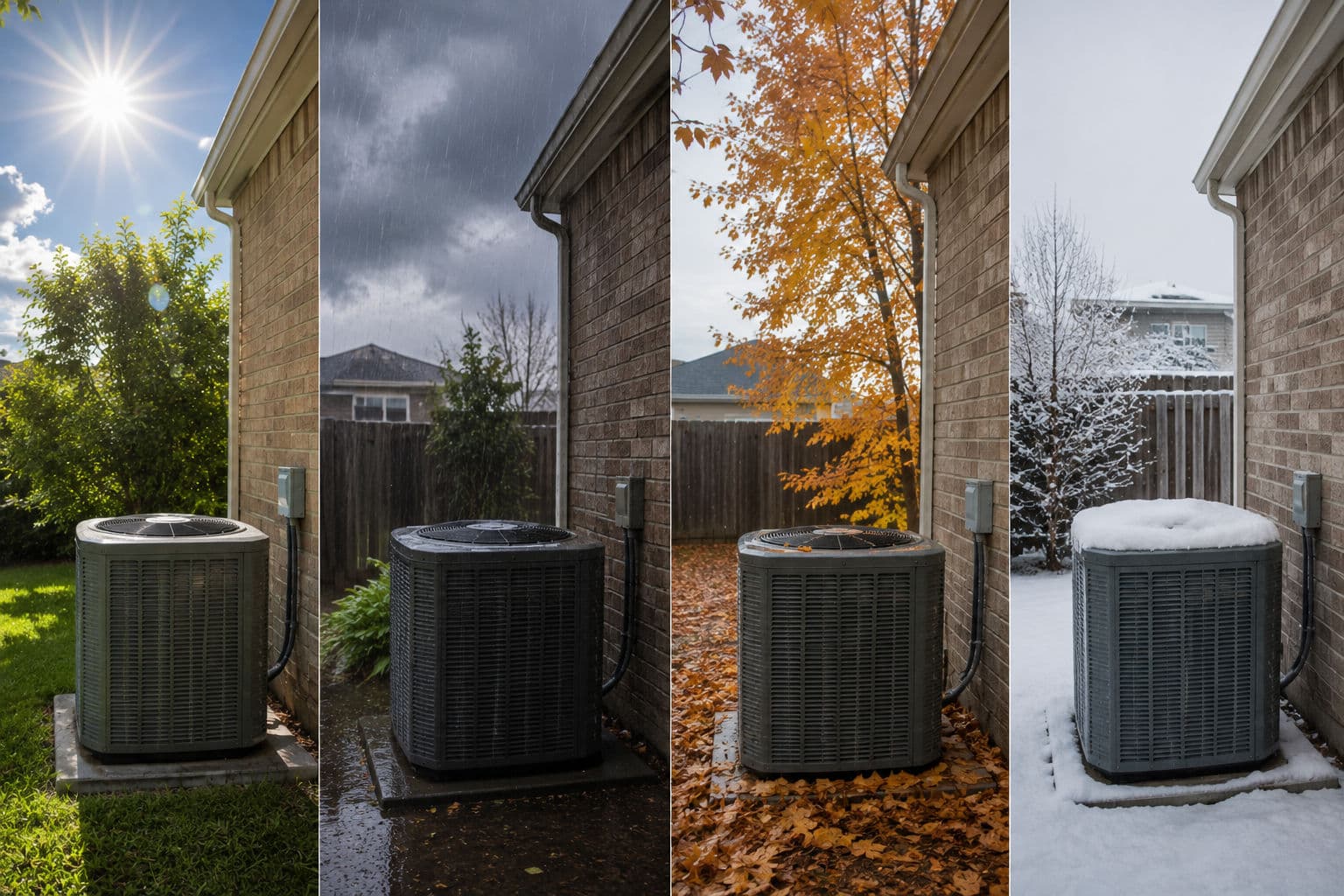
Houston doesn't have four seasons in the conventional sense. What it has is a long, intense cooling season that dominates the calendar, brief transitional periods in spring and fall that create their own specific HVAC demands, and a winter that's mild on average but punctuated by cold fronts that arrive fast and drop temperatures dramatically. Each of these phases creates different demands on your HVAC system, and understanding what the system is dealing with at each point in the year helps you anticipate maintenance needs and recognize when something is developing that needs attention.
LATE MARCH THROUGH MAY — THE TRANSITION INTO COOLING SEASON
Houston springs are deceptive. Temperatures are pleasant, outdoor conditions are comfortable, and for a few weeks in March and April the HVAC system barely runs. Then a warm front moves through, the humidity climbs, and before most homeowners are mentally ready for it the AC is running daily and the cooling season has begun.
This transition period is the most important maintenance window of the year, and it's the one that most Houston homeowners underutilize. March and April are the months when the AC system transitions from minimal use to sustained daily operation, and whatever condition it was in at the end of last summer — dirty coils, a borderline capacitor, a refrigerant level that's been slowly dropping from a slow leak — becomes relevant again when the system starts running regularly.
The specific challenge of the transition period is that mild spring temperatures allow the system to appear functional even when something is developing that will become a problem under peak summer load. A system with a condenser coil that's somewhat fouled from last summer, a capacitor reading 15 percent below specification, and a refrigerant charge that's dropped slightly from a slow leak may run adequately in 75-degree April weather. The same system on a 100-degree July afternoon is going to fail — because the marginal performance that was adequate in mild conditions isn't sufficient under peak load.
A spring maintenance tune-up in March or April is the intervention that catches these developing conditions before the peak load reveals them as failures. Coil cleaning, refrigerant verification, capacitor testing, condensate drain clearing, and an overall system performance assessment in mild weather gives you the chance to address anything found while scheduling is easy and the system isn't running under emergency conditions.
The transition period also brings Houston's heaviest rain season. Spring thunderstorms in the Greater Houston area can be intense, and flooding events in low-lying areas occur most frequently in spring. For homeowners in communities near waterways — along the San Jacinto River system, near Addicks and Barker reservoirs in west Houston, in Fort Bend County's Brazos River corridor — spring is the flooding risk period when outdoor HVAC equipment is most vulnerable to water exposure. Knowing the elevation of your outdoor unit relative to historical flood levels in your area is information worth having before a heavy rain event rather than discovering it during one.
JUNE THROUGH SEPTEMBER — PEAK COOLING SEASON
This is what Houston's HVAC system exists for and what it's most exposed to. Four months of sustained high temperatures, relentless humidity, and daily AC operation that accumulates more operating hours in a single summer than systems in moderate climates see in two or three years.
The specific weather characteristics of Houston's peak cooling season create predictable HVAC stress patterns that repeat every year.
The heat index is the relevant metric, not just the temperature. When Houston reports a temperature of 95 degrees with 65 percent relative humidity, the heat index is approximately 110 degrees — the temperature that the combination of heat and humidity feels like. Your AC system is working against that combined heat and humidity load simultaneously. It's not just cooling the air — it's removing the moisture that makes 95 degrees feel like 110. A system that loses its moisture removal capacity from short cycling, low refrigerant, or coil fouling produces a home that reads 74 degrees on the thermostat but feels like 80 degrees because the humidity it should be removing is still in the air.
Afternoon thunderstorms are frequent throughout the peak cooling season. Houston's summer thunderstorm pattern brings storms that develop in the afternoon heat and move through quickly, often accompanied by lightning, power surges, and in severe cases hail. Power surges at the moment when the storm's electrical activity interacts with the utility grid can damage HVAC electrical components — capacitors and control boards are particularly vulnerable. Whole-home surge protection at the electrical panel protects all circuits from these events. Without it, a summer thunderstorm that passes without visible damage to the home can still damage HVAC components in ways that show up as unexplained failures in the days following the storm.
Tropical weather systems add another dimension to Houston's peak season HVAC exposure. Hurricane season runs from June through November with peak activity in August and September — overlapping directly with the most demanding period of the cooling season. Tropical systems that affect the Houston area bring not just wind and flooding risk but extended power outages that leave homes without AC during the hottest period of the year. A generator that can power the AC system or at minimum a whole-home dehumidifier and fans provides meaningful comfort and home protection during extended outages.
The sustained runtime of Houston summers — systems running twelve or more hours per day for four consecutive months — puts cumulative stress on the compressor, capacitors, contactors, and blower motor that's simply greater than what shorter-season systems experience. By August and September, components that were at the margin in June have accumulated additional hours of stress. Late summer is when capacitor failures, contactor failures, and refrigerant leak symptoms that have been developing all season often manifest as complete failures. A system that made it through June and July without apparent problems can still fail in August or September from conditions that have been building since spring.
OCTOBER AND NOVEMBER — THE FALL TRANSITION
Fall in Houston is a brief weather phenomenon before winter cold fronts begin arriving. October temperatures are often still warm enough that the AC continues to run on many days — the transition from cooling to non-cooling mode is gradual rather than abrupt, and unlike northern cities where fall means a clear shift to heating, Houston's October can see high temperatures in the 80s alongside occasional cold fronts that drop temperatures into the 50s within the same week.
This variability has a specific HVAC implication. The first time the heating system runs each fall is the moment when problems that developed over the offseason — flame sensors that have oxidized, ignitors that have aged, control board connections that have corroded — reveal themselves. In a climate where the heating system sat idle from March or April through October or November, that's a long period during which developing issues went undetected.
October is the optimal window for the annual heating system inspection precisely because it's before the first cold front rather than during it. A fall furnace inspection in October — checking the heat exchanger, testing the ignition system, verifying gas pressure and burner operation, inspecting the blower motor, and testing all safety controls — catches developing heating system problems while scheduling is easy and there's time to order parts and complete repairs before cold weather actually arrives.
Fall in Houston also coincides with peak cottonwood and leaf fall season in wooded communities throughout Montgomery County and north Harris County. The Woodlands, Kingwood, Conroe, Spring, and Tomball see significant organic debris accumulation on outdoor condenser units during October and November as leaves drop. While the condenser is running less frequently in cooler fall weather, the debris accumulation from fall leaf drop sets up the fouling condition that will affect efficiency when the system runs during the following spring warm-up. A fall coil cleaning or at minimum a rinse of the outdoor unit after peak leaf fall reduces the debris load going into the following cooling season.
DECEMBER THROUGH FEBRUARY — HOUSTON'S WINTER
Houston winters are characterized by mild average temperatures punctuated by cold fronts that arrive rapidly, drop temperatures dramatically, and move out within a few days. The average January high temperature in Houston is around 62 degrees — genuinely mild. But averages are misleading in a climate where individual cold fronts regularly push temperatures below freezing for periods that can last from hours to several days.
The specific HVAC challenge of Houston winters isn't sustained cold — it's the rapid temperature swings that cold fronts produce. A front that drops the temperature 40 degrees in 24 hours while the system has been in cooling mode for weeks is exactly the kind of event that catches a poorly maintained heating system unprepared.
The freeze events that occur during Houston winters — and which become significant infrastructure events when they're severe enough, as the February 2021 event demonstrated — create HVAC demands that the region's infrastructure and equipment aren't always designed for. Standard heat pump systems lose efficiency as temperatures drop below freezing, and in a severe multi-day freeze event, a heat pump without adequate supplemental heat backup may not be able to maintain indoor temperatures. Gas furnace systems face gas supply pressure issues when demand spikes across the entire region simultaneously, as occurred during the February 2021 event.
For Houston homeowners, the practical winter HVAC preparation steps are testing the heating system in October before cold weather arrives, having a backup plan for extended heating system failures — space heaters positioned safely, understanding where warming centers are, knowing which family members or neighbors may need additional support in extended cold — and understanding what your specific system can and cannot handle in extreme cold.
The mild winter weather between cold fronts creates a specific opportunity that Houston homeowners often overlook — this is the ideal season for HVAC repairs, replacements, and improvements that would be disruptive during peak cooling season. Replacing an aging AC system in January rather than waiting until April when the urgency of the approaching cooling season creates scheduling pressure gives you more contractor availability, more time to evaluate equipment options, and no cooling season disruption during the installation. The mild weather means the home is comfortable during the installation process rather than uncomfortably hot.
THE YEAR-ROUND HUMIDITY FACTOR
Unlike most weather effects on HVAC systems that are seasonal, Houston's humidity is a year-round factor. While the cooling season produces the highest absolute humidity loads, Gulf moisture keeps Houston's relative humidity elevated even in winter — conditions that affect HVAC equipment continuously rather than seasonally.
Biological growth on the evaporator coil, algae development in the condensate drain line, and corrosion on outdoor electrical components all occur year-round in Houston's humidity environment, not just during the cooling season. The rate is highest when the AC is running and producing condensation — summer — but these processes continue at lower rates through the fall and winter in Houston's climate, which is why Houston systems need maintenance that addresses these conditions annually rather than being able to skip a year without meaningful consequences.
Whole-home dehumidification that operates year-round rather than only during the cooling season addresses the year-round humidity burden on the home and the HVAC system — maintaining comfortable and mold-growth-resistant indoor humidity levels even during seasons when the AC isn't running consistently enough to manage the moisture load through the cooling cycle alone.
ALIGNING YOUR HVAC MAINTENANCE CALENDAR WITH HOUSTON'S WEATHER PATTERNS
The practical takeaway from understanding Houston's weather pattern as it affects HVAC is that timing maintenance activities to match the seasonal demands maximizes the protection each visit provides.
Spring tune-up in March or April: before peak cooling season load, when developing issues can be found and addressed during mild weather with easy scheduling.
Fall heating inspection in October: before the first cold front, when the heating system can be verified and any issues found can be repaired before cold weather makes the system actually needed.
Coil rinse after peak leaf fall in wooded communities: November, reducing the debris load going into the next cooling season.
Awareness through peak cooling season of early warning signs — higher bills, reduced cooling, new sounds — that indicate developing problems before they become complete failures during the most demanding conditions of the year.
Year-round humidity management through whole-home dehumidification for homes where the ambient moisture load from Houston's Gulf climate exceeds what the AC cycle alone can consistently manage.
Multipoint AC & Heating provides HVAC maintenance, repair, and installation throughout Greater Houston, including Harris County, Fort Bend County, Montgomery County, and Austin County. Contact us to schedule your spring tune-up or fall heating inspection and align your HVAC maintenance with Houston's seasonal demands.