Single-Zone vs. Multi-Zone Mini-Splits: Which Setup Fits Your Houston Home?
Compare one multi-zone mini-split with separate single-zone systems for a Houston home. Review room use, outdoor space and installation scope before buying.
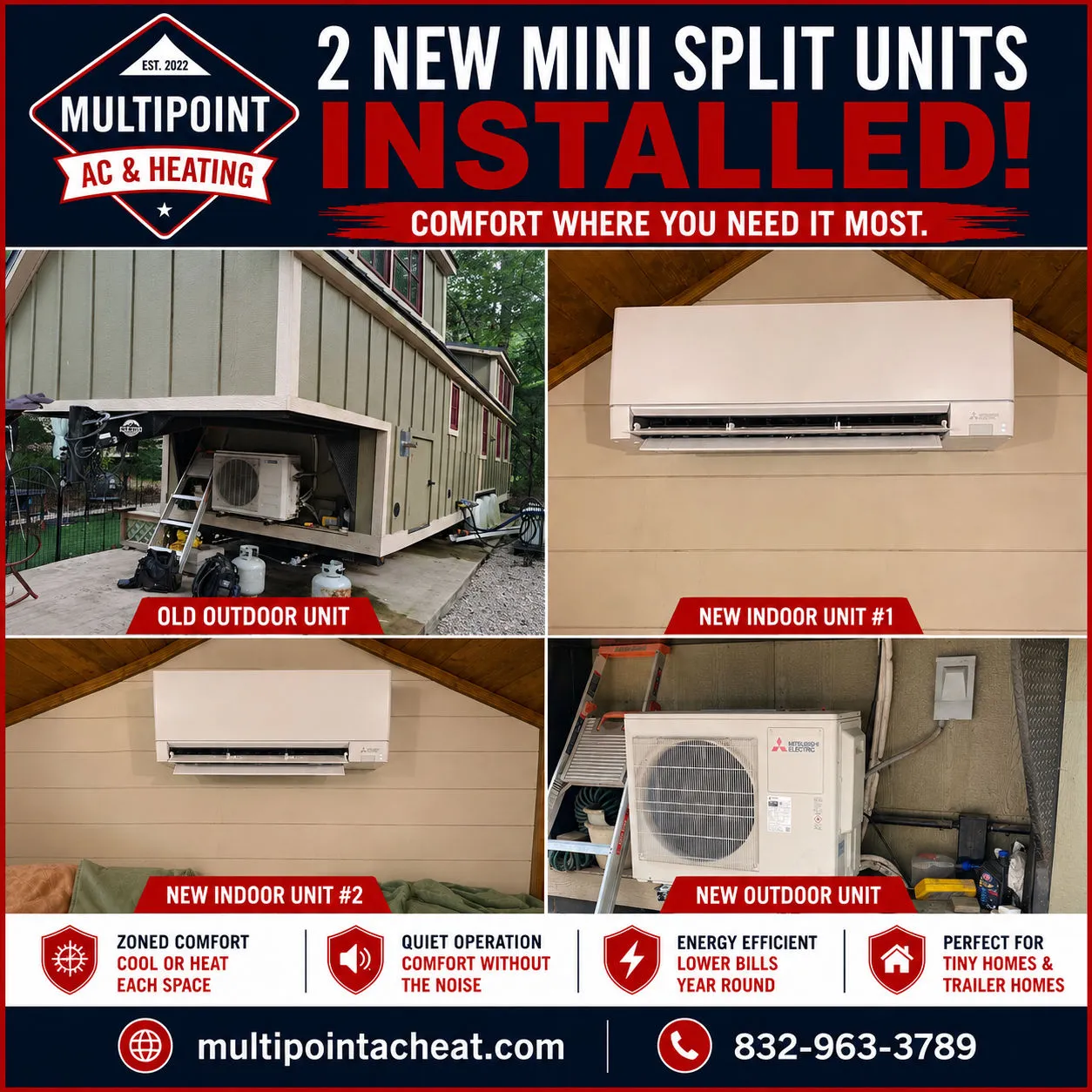
You want cooling and heating in a home office and a garage workshop. One estimate connects both rooms to a single outdoor mini-split unit. Another gives each room its own complete system. Which arrangement makes more sense?
The answer depends on how you use the rooms, where the equipment can go and how the proposed systems perform together. One outdoor unit can be convenient, while separate systems offer a different kind of independence. Compare the complete installation before deciding.
What changes between the two setups?
A single-zone mini-split pairs one indoor unit with one outdoor unit to serve a defined space. Two separate single-zone systems therefore have two outdoor units, each connected to its own indoor equipment.
A multi-zone system connects several compatible indoor units to one outdoor unit. The rooms can have their own temperature settings, but they share the outdoor equipment. The approved number and combination of indoor units depend on the selected model.
Outdoor placement. One multi-zone system: One outdoor cabinet to locate and service. Separate single-zone systems: A suitable location is needed for each outdoor unit.
Room controls. One multi-zone system: Room settings operate within the shared system's capabilities. Separate single-zone systems: Each complete system has its own controls.
Outdoor equipment trouble. One multi-zone system: A problem with the shared unit can interrupt its connected rooms. Separate single-zone systems: One system's equipment problem may leave the other operating.
Adding another room later. One multi-zone system: Requires an approved equipment combination and suitable capacity. Separate single-zone systems: A later room can be evaluated for another complete system.
Price comparison. One multi-zone system: Includes every indoor unit, its routes and the shared outdoor equipment. Separate single-zone systems: Includes each complete installation and its electrical requirements.
When does one multi-zone system deserve a closer look?
A shared outdoor unit is worth comparing when several rooms need conditioning and outdoor space is limited. It may also suit a layout where refrigerant lines can reach each indoor unit through practical routes.
Picture a home office and an adjacent finished addition. If both need comfort throughout the day, ask your installer to compare a properly selected multi-zone combination with separate systems for those same rooms. Include equipment placement, room loads and the intended daily schedule in both proposals.
Count more than outdoor cabinets. Each indoor unit still needs appropriate connections, condensate drainage and access for maintenance. A single outdoor unit does not remove those parts of the installation.
When might separate single-zone systems fit better?
Separate systems deserve consideration when the spaces are far apart, have very different schedules or would need awkward routes to reach a shared outdoor unit.
For example, a detached workshop used on weekends and a home office occupied every weekday have different needs. Comparing separate systems lets the installer evaluate each space and its equipment independently. Whether that arrangement is the better value still depends on the actual models, routing and electrical scope.
Separate systems also change the effect of an equipment interruption. If the workshop's outdoor unit needs repair, that problem may leave the office system available. This is a benefit of the configuration, not a guarantee against downtime; a shared electrical outage can still affect both.
Compare how the equipment works when only one room needs cooling
Do not choose the outdoor unit by adding up room sizes or reserving extra capacity for an uncertain future project. Start with the heating and cooling requirements of each room, then check the manufacturer's approved equipment combinations.
Ask the installer how the proposed system operates when only the smallest room needs conditioning. Have them explain its operating range and any requirements for connected indoor units. The answer should come from the exact equipment being quoted.
Also ask what happens if one room needs heat while another needs cooling. Separate temperature settings do not, by themselves, establish that a shared system supports both operating modes at once. Confirm that capability before buying.
For broader application and sizing questions, see our Houston mini-split installation guide. If you are also deciding between a wall head and a recessed indoor unit, our wall-mounted versus ceiling-cassette comparison covers that separate choice.
Compare complete quotes for the same rooms
Neither arrangement is automatically cheaper to install or operate. Ask for estimates based on the same spaces, comfort goals and room schedules.
The written scope should identify:
The exact indoor and outdoor model numbers and approved combination.
Each unit's location and the proposed refrigerant-line routes.
Electrical work, disconnects and responsibility for any required upgrades.
Drainage, visible line covers, wall or ceiling openings and finishing work.
Startup checks, future cleaning access and the quoted warranty coverage.
If later expansion matters, have the installer explain it now. An unused connection on an outdoor unit does not guarantee that a future indoor unit will be compatible or that sufficient capacity will be available.
MultiPoint's mini-split installation and service page explains the property evaluation. You can also view our published two-indoor-unit Mitsubishi project for an example of a shared-outdoor-unit arrangement.
Frequently asked questions
Does a multi-zone system mean every room must run together?
Not necessarily. The permitted operation depends on the equipment and controls. Ask how the quoted combination works with one indoor unit calling, and distinguish the number of units that must be connected from the number that must be operating.
Can I install one indoor unit now and add the rest later?
Only if the selected outdoor unit supports that initial combination and the later addition. Confirm the manufacturer's connection requirements, available capacity and installation plan before ordering equipment.
Will separate systems always use less electricity?
No. Compare the exact equipment, room loads and usage pattern. The number of outdoor units alone does not establish energy use or a guaranteed saving.
Get an estimate for the rooms you actually use
For a home in Richmond, Fulshear, Katy, Sugar Land, Rosenberg or Greater Houston, start with the spaces and their daily use. Tell MultiPoint AC & Heating which rooms need conditioning, when they are occupied and whether another room may be added later.
Call (832) 963-3789 or request an installation estimate. We can assess the layout and explain the equipment and installation scope before you decide.