Can an Evaporator Coil Be Cleaned Without Removing It?
Compare in-place evaporator coil cleaning with removal and cleaning. Learn what a Houston homeowner should ask before approving the service scope.
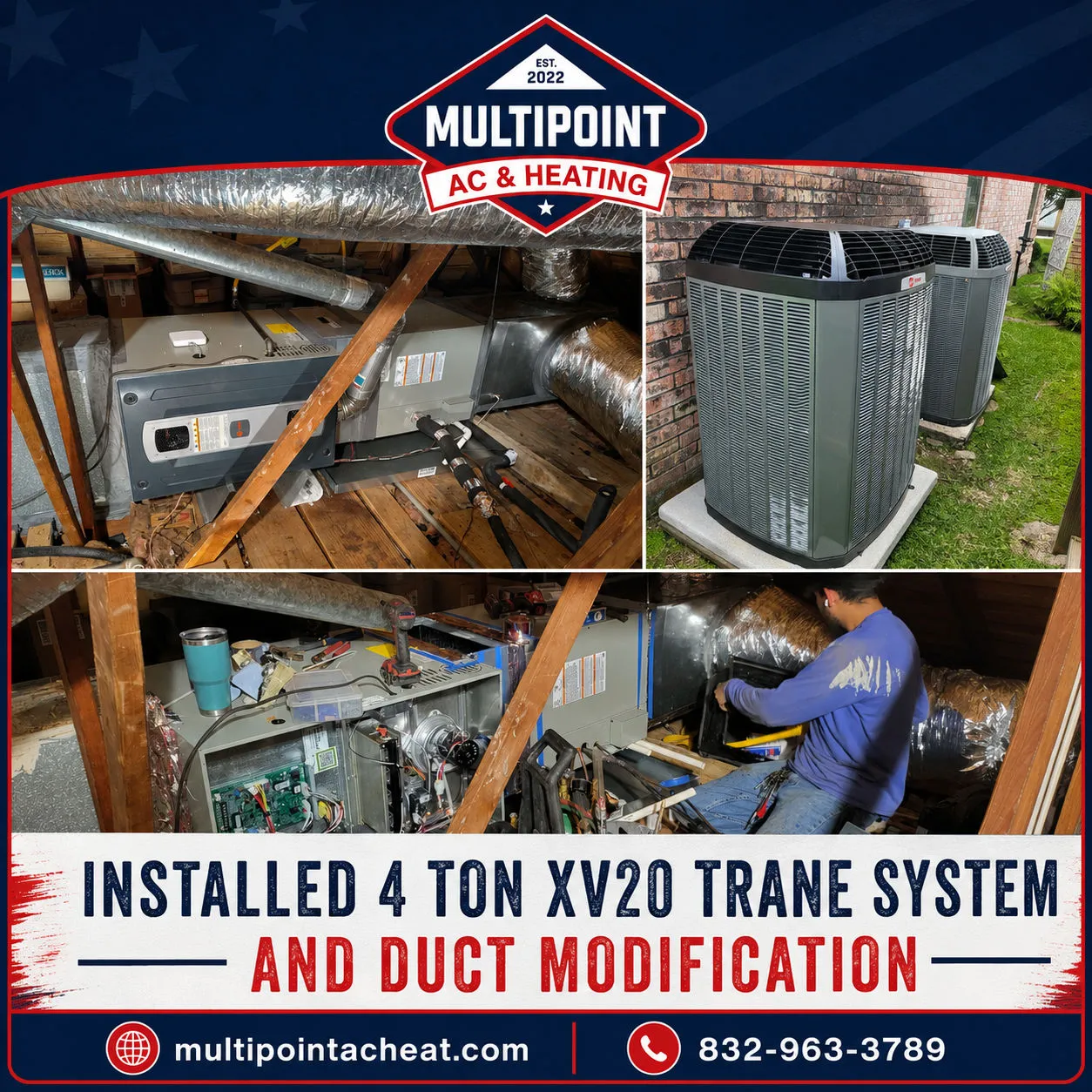
Yes, an indoor evaporator coil can sometimes be cleaned while it stays installed. Whether that is sufficient depends on the buildup, access and the equipment manufacturer's cleaning instructions. Removing the access panel is different from removing the coil itself.
If you are comparing AC coil-cleaning quotes for a Sugar Land or Richmond home, ask what each contractor plans to clean and how. An in-place service and a removal-and-cleaning service can involve very different work. The right choice starts with an inspection, not the assumption that the more involved option is always better.
What does cleaning the coil in place mean?
The technician accesses the indoor coil through the equipment's service openings while leaving the coil installed. Light surface debris may be removable with suitable brushes or vacuum attachments. Any cleaner, rinsing method and water management must suit the specific equipment.
This is different from rinsing the outdoor condenser. The indoor coil sits within or near the furnace or air handler, surrounded by components and materials that must be protected. A picture of a clean outdoor unit does not establish that the indoor coil was inspected or cleaned.
When can this approach be enough?
In-place cleaning can be appropriate when the technician can reach the affected surfaces and remove the buildup using the manufacturer's permitted method. Ask whether the inspection included the side where air enters the coil, rather than only the easiest surface to see.
For background on why buildup matters, see our guide to dirty AC coils. This article focuses on choosing the cleaning scope once an inspection identifies a need.
Why might a technician recommend removing the coil?
Heavy, matted contamination or inadequate access can make a surface cleaning insufficient. The technician should explain what prevents effective cleaning in place and show the relevant condition when practical. A removal recommendation should be tied to your equipment and findings.
Older American Standard and Trane service guidance distinguishes light in-place cleaning from removal for heavily contaminated coils. Current instructions for the actual equipment should govern the work; that older guidance is not a blanket requirement to remove every dirty coil.
Ask what “pull and clean” includes
The phrase alone does not define the job. Ask whether the coil will only be repositioned for access or completely disconnected and removed. Have the contractor explain the proposed method, how surrounding materials will be protected, and what reassembly and operating checks are included.
If the plan requires opening refrigerant lines, it involves refrigerant-system work as well as cleaning. That calls for a qualified technician, proper refrigerant handling and a clear restoration scope. Do not try to move the coil, bend its connected tubing or disconnect lines yourself.
Compare the written scope before comparing prices
Two quotes labeled “coil cleaning” may cover different components. Use the following questions to establish what you are buying before deciding which price represents better value.
Which equipment and surfaces are included?
Identify the indoor or outdoor coil and the system it serves. Ask whether the drain pan, drain line, blower and cabinet are being inspected, cleaned or excluded. In a two-system home, specify which system needs work and whether the price covers one system or both.
Why is this cleaning method appropriate?
Ask for the inspection findings, the access limitation if any, and the equipment-specific method. Cleaner labels and equipment instructions both matter. “No-rinse” on a product container is not permission to ignore a manufacturer's rinsing requirements or to leave loosened debris behind.
What happens if another problem is found?
Agree on how additional work will be discussed and priced before it proceeds. A cleaning quote should not silently become authorization for a refrigerant repair, drain-pan replacement or complete system replacement. Ask what condition would change the recommendation and what evidence you will receive.
How will the finished work be checked?
Ask how the technician will document accessible cleaned surfaces, check drainage, secure the equipment panels and evaluate operation afterward. Before-and-after photos can help explain the cleaning, but they do not replace checking whether the original comfort complaint remains.
Cleaning and repairing a coil are different decisions
Cleaning removes contamination. It does not repair a refrigerant leak, a damaged drain pan or an unrelated electrical fault. Weak airflow, ice and poor cooling can have several causes, so symptoms alone do not prove that coil cleaning is the needed repair.
If your main concern is an AC that will not cool, arrange an air-conditioning diagnostic and service visit. Tell the technician about the symptoms, previous work and any existing cleaning quote. That gives the visit a useful starting point without predetermining the repair.
Arrange a coil assessment for your home
MultiPoint AC & Heating provides residential AC service in Richmond and Sugar Land. Call (832) 963-3789 or request a service visit. Mention which system has the problem and whether you need an assessment of an existing cleaning recommendation.
The diagnostic is $69 and is not waived. Cleaning or repair work should have a clear scope and price before you authorize it. An additional $100 after-hours/weekend fee applies when applicable. Explain your concern when scheduling so we can help arrange the appropriate visit.
Evaporator coil cleaning FAQs
Does every dirty coil need to be removed?
No. The condition, access and equipment instructions determine the appropriate method. Ask why the proposed approach will reach and remove the actual buildup.
Does cleaning an indoor coil require adding refrigerant?
Cleaning accessible coil surfaces does not itself consume refrigerant. If removal requires refrigerant-system work, ask what handling and final checks are included. A separate low-charge diagnosis needs its own explanation.
Is a quick spray enough to clean the coil?
Not necessarily. The result depends on the contamination, access and approved procedure. Ask how debris and any required rinse water will be removed, rather than judging the work by the cleaner's name.
Should I replace the coil instead of cleaning it?
Dirt alone does not establish a need for replacement. If a leak, damage or another failure is found, compare the documented repair or replacement options separately from the cleaning recommendation.