What to Expect During an HVAC Service Visit in Houston
Discover what happens during an HVAC service visit in Houston to ensure proper system maintenance and repairs.
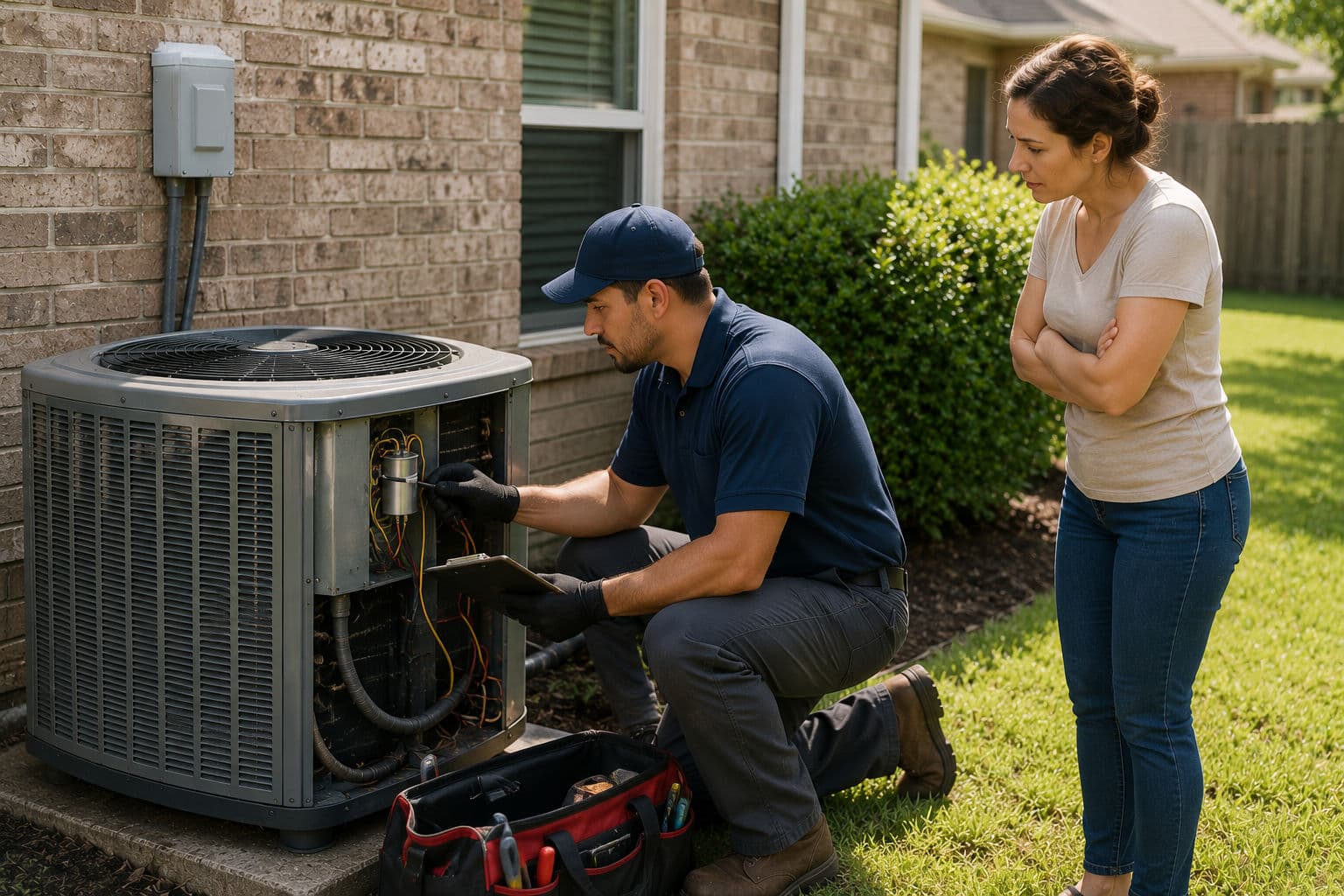
Most Houston homeowners schedule HVAC service when something is wrong — the AC stops cooling, the system makes a strange noise, or the energy bill climbs without explanation. Fewer schedule preventive maintenance visits, and even fewer know exactly what should happen during one. That knowledge gap is worth closing, because understanding what a proper HVAC service visit covers helps you recognize whether the technician who shows up is doing the job correctly — and whether the company you called is worth calling again.
Here's what a professional HVAC service visit in Houston should look like, from arrival to completion.
BEFORE THE TECHNICIAN ARRIVES
A professional HVAC company confirms your appointment in advance, gives you a realistic arrival window, and communicates if that window changes. Same-day appointment availability matters during Houston's peak cooling season when an AC failure isn't something you can wait several days to address. A company that books you two weeks out for a system that's not cooling in July isn't structured to serve Houston homeowners through an emergency.
When the technician arrives, they should introduce themselves, briefly explain the purpose of the visit, and ask you to describe any specific concerns or symptoms you've noticed before beginning any work. Your observations about how the system has been behaving — when the problem started, whether it's constant or intermittent, any sounds or smells you've noticed — are valuable diagnostic information that a good technician wants before they start.
WHAT A DIAGNOSTIC VISIT COVERS
A diagnostic visit is called when something specific is wrong with the system. The technician's job is to identify the cause of the problem accurately before recommending any repair.
A proper diagnostic process starts with understanding the symptom, then systematically evaluating the components most likely responsible for it. For a system that's not cooling, this means checking refrigerant pressure, measuring temperature differential across the evaporator coil, testing electrical components including the capacitor and contactor, inspecting the outdoor unit for debris fouling and airflow restriction, and verifying thermostat and control system function. The diagnosis should be based on measurements and observations, not assumptions.
A technician who arrives, spends a few minutes looking at the outdoor unit, and immediately quotes an expensive repair without running a systematic diagnostic is either taking a shortcut or identifying the most profitable repair without confirming it's actually necessary. If a significant repair is recommended on the basis of a very brief inspection, asking for the specific measurements and test results that led to that recommendation is entirely reasonable.
The diagnostic should conclude with a clear explanation of what was found, why it's causing the problem, and what the repair involves — including parts, labor, and any warranty on the work. You should understand what you're approving before any repair work begins.
WHAT A MAINTENANCE TUNE-UP COVERS
A preventive maintenance visit — a tune-up — is different from a diagnostic visit in that there's no presenting problem to solve. The goal is to inspect and service the system proactively, catch developing issues before they cause failures, and verify that the equipment is operating at the efficiency and capacity it should be.
A thorough AC tune-up in Houston should cover the following.
Outdoor condenser unit. The technician inspects the outdoor unit for debris accumulation on the condenser coils and cleans them if needed. In Houston's environment — and particularly in wooded communities like The Woodlands, Kingwood, Conroe, and Spring where organic debris accumulation is more significant — condenser coil cleaning is often the most impactful single step in the maintenance visit. They check the condenser fan blade for damage, test the contactor for wear and pitting, measure capacitor readings against specification, check refrigerant pressure, inspect the electrical disconnect and wiring connections, and verify that the outdoor unit is level and has adequate clearance on all sides.
Indoor air handler. Inside the home, the technician inspects and cleans the evaporator coil, checks the condensate drain pan for standing water or biological growth, clears the condensate drain line, inspects the blower motor and wheel for debris accumulation and wear, measures airflow across the system, checks the electrical connections in the air handler cabinet, and tests the system's overall temperature differential — the difference between the return air temperature entering the system and the supply air temperature leaving it — which is one of the most direct measurements of whether the system is producing the cooling it should.
Refrigerant charge. Verifying refrigerant charge is a standard part of every maintenance visit. This requires connecting pressure gauges to the refrigerant circuit and comparing the measured pressures against the manufacturer's specification for the current outdoor temperature conditions. A system that's low on charge has a leak that needs to be identified rather than simply recharged.
Thermostat and controls. The technician verifies thermostat calibration, tests that the system responds correctly to thermostat calls for cooling and heating, and checks that any programmed schedules are functioning as intended.
Safety controls. Limit switches, pressure controls, and other safety devices are tested to verify they're functioning correctly and would shut the system down appropriately if an unsafe condition developed.
Filter inspection. The air filter is inspected and replaced if needed. If you supply your own filters, having one available at the time of the maintenance visit ensures it gets changed rather than deferred.
At the end of the maintenance visit, the technician should provide a summary of what was found, what was serviced, any components that showed readings outside of normal range, and any recommendations for repairs or replacements that weren't urgent enough to require same-day action but should be addressed before the next season.
HOW LONG A MAINTENANCE VISIT TAKES
A thorough AC tune-up for a single system in Houston typically takes 60 to 90 minutes. Homes with two systems take proportionally longer. A technician who completes a maintenance visit in 20 to 30 minutes hasn't had time to do more than a cursory inspection — coil cleaning alone on a system with meaningful debris accumulation takes more time than that.
If a maintenance visit feels rushed, it's appropriate to ask what was covered and whether specific items were addressed. A professional technician should be able to walk you through what they did and what they found.
WHAT THE TECHNICIAN SHOULD NOT DO
A professional HVAC service visit should not involve high-pressure recommendations for expensive repairs or replacements that weren't preceded by a thorough diagnostic process. If a technician recommends a compressor replacement, a full system replacement, or any other significant expenditure on the basis of a brief visit without showing you the measurements and test results that support the recommendation, get a second opinion before approving the work.
Similarly, a maintenance visit should not conclude with a long list of immediately urgent repairs on a system that appeared to be functioning normally before the visit. While maintenance visits do sometimes uncover genuine developing problems, a visit that started as a tune-up and ended with $2,000 in recommended same-day repairs deserves scrutiny. Ask for the specific readings that indicate each problem and whether any of the identified issues can be monitored rather than immediately replaced.
Scare tactics, artificial urgency, and recommendations that appear to maximize the repair invoice rather than serve your system are warning signs about the company rather than your equipment.
AFTER THE VISIT
Following a maintenance visit, you should have a clear written record of what was inspected, what was serviced, what readings were taken, and any recommendations that came out of the visit. This documentation matters for manufacturer warranty compliance — most warranties require documented annual professional maintenance — and for your own reference when evaluating the system's condition over time.
If a repair was performed during the visit, the invoice should clearly describe the part replaced, the labor performed, and the warranty terms on both the part and the labor. Keep this documentation with your home records.
For ongoing maintenance, scheduling the next visit before leaving rather than relying on remembering to call in several months makes it more likely the maintenance actually happens on schedule. In Houston's climate, the ideal schedule is a cooling season tune-up in March or April before peak summer and a heating season inspection in October before the first cold fronts arrive.
Multipoint AC & Heating provides diagnostic, repair, and preventive maintenance service throughout Greater Houston, including Harris County, Fort Bend County, Montgomery County, and Austin County. Contact us to schedule a service visit or to set up a maintenance plan that keeps your system serviced on a consistent schedule through Houston's demanding cooling season.