Will You Need an Electrical Panel Upgrade for a Heat Pump?
Switching to a heat pump in Greater Houston? Learn when electrical work is needed, how backup heat changes the scope, and what to ask before approving a quote.
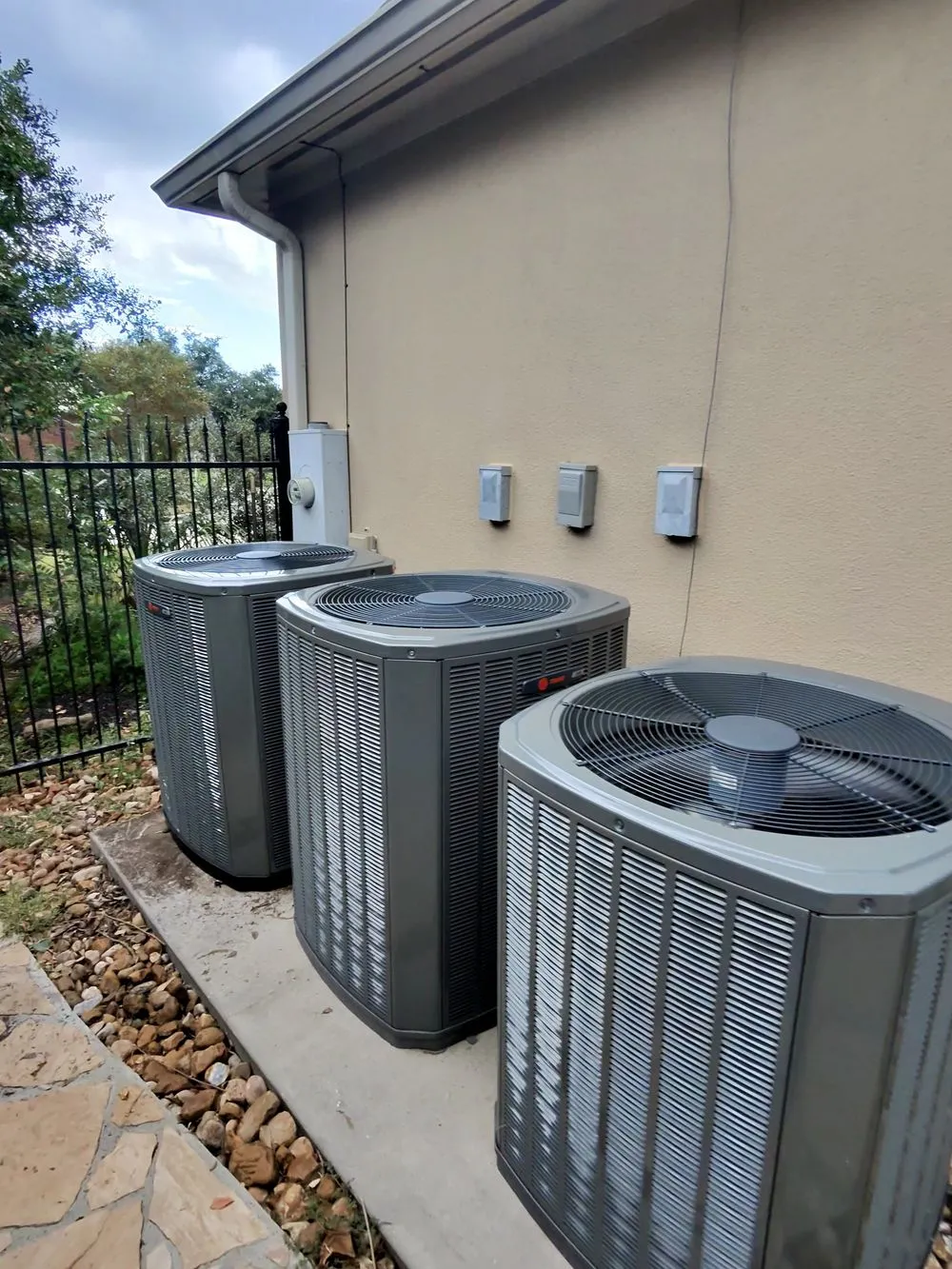
Switching to a heat pump does not automatically mean replacing your electrical panel. If your home already has central AC, some of the electrical supply the new outdoor unit needs may already be there. The decision depends on the exact equipment, the indoor heating setup, existing circuits and the capacity available for the whole home.
Before approving a heat-pump estimate in Greater Houston, ask what electrical work the quote includes and what remains to be checked. An outdoor-unit replacement and a conversion from gas heat to electric backup heat can have different requirements, even in the same house.
Start With What Will Stay and What Will Change
Have the estimator identify the proposed outdoor unit, indoor equipment and backup heat. Then ask which existing circuits they expect to reuse and which need evaluation. The fact that your current AC runs on a circuit does not establish that the circuit suits every replacement model.
Trane’s installation guidance recommends assessing the home’s electrical system during equipment selection. The installer should work from the proposed equipment’s requirements. Square footage, nominal tonnage and an efficiency rating each tell you something about an HVAC system, but none is a complete electrical specification.
If you are keeping a compatible gas furnace for backup, that creates a different proposal from installing an air handler with electric heat strips. Our guide to keeping a gas furnace when adding a heat pump explains the equipment-matching questions to resolve for that option.
Understand the Three Possible Electrical Scopes
Existing circuits can serve the selected equipment
The evaluation may find that the existing electrical supply can support the proposed system. Ask the contractor to identify what was checked, what will be reused and which startup checks are included. Keeping suitable circuits can simplify the project, but that conclusion should follow equipment selection and inspection.
Circuit work is needed within the existing panel’s capacity
A project may need a new or revised circuit, wiring or disconnect while the home’s overall electrical supply remains adequate. Ask the contractor to describe the work precisely. The phrase “electrical upgrade” is too broad to tell you whether the estimate includes a circuit change or replacement of the main panel.
Panel or service work needs further evaluation
Some homes require more substantial electrical work. There may be limited room for breakers, insufficient available capacity or an existing condition requiring correction. A panel replacement and an increase in utility service are separate scopes. Ask a licensed electrician which one is needed and what assessment supports that recommendation.
Why Backup Heat Belongs in the Conversation
Electric heat strips are resistance heaters installed in an air handler. They can provide supplemental heat when the system calls for it. They are a separate electrical load from the outdoor heat pump, so ask for the proposed heat-kit size and its electrical requirements before assuming the old indoor supply will work.
An existing gas furnace still uses electricity for its blower and controls. Replacing it with an air handler and electric backup heat can change what the indoor equipment requires. Ask how the heating equipment was selected for your home and how the controls will operate it.
Houston’s cooler weather makes this worth discussing even if cooling is your main reason for replacing the system. The electrical evaluation needs to account for the proposed heating arrangement as well as summer operation. The installer should explain the design and intended backup operation before you compare final prices.
An Empty Breaker Slot Is Only Part of the Answer
Physical space for a breaker and available electrical capacity are different questions. A panel can have an open slot while other loads limit what can be added. Adding the ratings printed on all the breakers also does not give a reliable calculation of the home’s electrical demand.
Tell the electrician about other equipment you expect to add, such as an EV charger or electric cooking. Those plans can affect the assessment. ENERGY STAR recommends reviewing electrical capacity and future appliance plans with a licensed electrician. Bring those plans to the discussion before a quote is finalized.
Get These Answers Before Equipment Is Ordered
Ask for the following in the written estimate or an attached electrical scope.
The outdoor and indoor model numbers, plus the proposed backup-heat equipment.
Which circuits and disconnects will stay and which will change.
Whether panel capacity has been evaluated or still needs an electrician’s assessment.
Who will perform each part of the electrical work and whether it is included in the total.
Who will arrange any required permits, inspections or utility coordination.
What must be completed before installation and who will test the finished system.
When two estimates differ, first compare those answers. One may include electrical work that the other leaves as an allowance or excludes. Ask how an unresolved item will be priced and approved. That gives you a clearer comparison and helps avoid discovering a missing part of the job after equipment arrives.
Frequently Asked Questions
Does every heat pump need a 200-amp panel?
No. The panel rating alone cannot decide whether the proposed equipment fits. Have a qualified professional assess the existing service, home’s loads, circuit availability and selected HVAC equipment. A smaller service can merit evaluation, and a larger panel still needs its circuits and condition checked.
Can a heat pump use my current AC circuit?
Sometimes. The circuit must be suitable for the replacement equipment and comply with the installation requirements. Have the contractor verify it against the exact model. Ask separately about the indoor air handler and any electric backup heat.
Can a subpanel solve the problem?
A subpanel can provide additional breaker space when properly designed and supplied. It does not by itself increase the electricity available from the utility service. An electrician should determine whether the issue is space, capacity, condition or a combination before recommending it.
Request a Heat Pump Installation Estimate
MultiPoint AC & Heating serves Richmond, Fulshear, Katy, Sugar Land, Rosenberg and Greater Houston. If you are comparing heat pump installation options, ask us to identify the HVAC equipment and electrical questions that need resolving for your home. Call (832) 963-3789 or request an estimate online. Mention your existing heating system and any planned electrical additions so they can be considered during the evaluation.