Furnace Only Works With the Door Off? What to Do
A furnace that runs differently when a cover or closet door moves needs diagnosis. Learn what to report and why leaving a required cover off is unsafe.
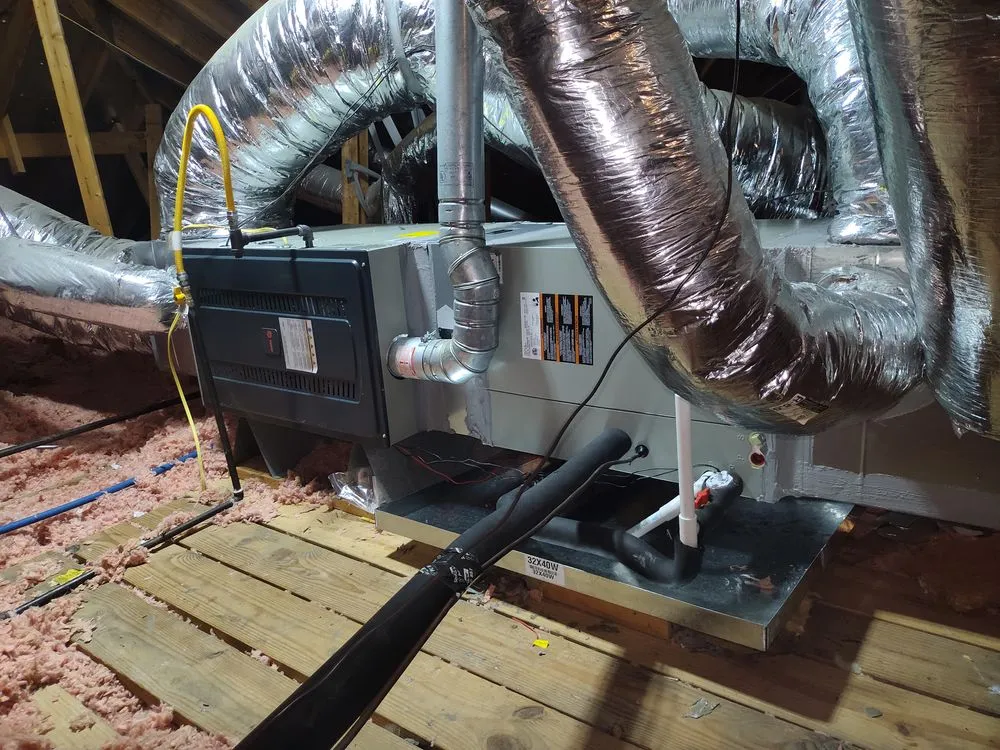
If your gas furnace only works with a door or cover removed, stop using that arrangement as a way to keep the heat on. Furnace covers belong in their normal installed position. A change in operation when a cover is moved needs a qualified assessment before the equipment returns to service.
For a Houston-area homeowner, the first detail to clarify is which door changed the behavior: a metal panel on the furnace itself, or the door to the room or closet around it. Those observations can lead the technician toward different checks.
First, respond to gas odors or possible carbon monoxide
If you smell gas, leave immediately on foot. Avoid electrical switches, flames and phones near the odor. From a safe location, call 911 and your gas utility. Do not stay inside to adjust the furnace, investigate the smell or book a routine appointment.
If a carbon monoxide alarm sounds, or you suspect exposure because people develop symptoms such as headache, dizziness or nausea, get everyone outside into fresh air and call 911. Stay out until emergency responders say it is safe to return.
Carbon monoxide has no smell. A faint odor, a quiet alarm or a furnace that seems to run better with its cover removed cannot establish safe operation.
Which door are you talking about?
A metal furnace panel
The furnace cabinet can have separate panels over the burner and blower compartments. Their positions and functions depend on the model. Some equipment includes a blower-door switch that interrupts operation when its panel is removed.
Do not hold down, tape or bypass that switch. Do not remove a panel while the furnace is operating. Tell the technician what you already observed, including whether the burner stopped, the blower continued or the equipment would not start.
A closet or mechanical-room door
This is the building door around the equipment, rather than part of the furnace cabinet. Depending on the installation, openings in that space may supply air needed for combustion and ventilation.
A change when the room door closes deserves investigation. It does not establish the right size of a new grille or prove that cutting the door will solve the problem. Leave changes to the room, louvers and air openings to a qualified assessment.
Why can a cover change how the furnace behaves?
A furnace has several air paths serving different purposes. The blower circulates household air through the heating and duct system. A gas burner needs combustion air. The vent carries combustion products outdoors.
Some furnaces obtain combustion air from the surrounding space. Other installations bring it through a dedicated intake. The manufacturer's instructions for the exact equipment determine what is required.
Changing a panel or opening a room can change conditions around those paths. The technician needs to evaluate the equipment in its intended configuration, with the appropriate covers fitted. A temporary improvement with something open is a diagnostic clue, rather than an operating solution.
What should the service assessment investigate?
The checks should follow the model's instructions and the symptoms reported. Relevant areas can include the combustion-air supply, intake and venting arrangement, circulating airflow, panel fit and applicable safety controls.
For example, a restricted filter or return path can contribute to overheating and a protective shutdown. A combustion-air or venting problem requires a different correction. The same complaint cannot identify either one without testing.
Tell the technician about recent changes near the equipment. Useful history includes a new solid closet door, storage placed near an opening, remodeling, insulation work or a filter change. The timing can guide the inspection without proving that the newest change caused the fault.
Ask what condition was found, how it was verified and what the proposed repair will correct. Before the furnace is returned to use, request an explanation of the operating and safety checks completed in its normal assembled configuration.
What can you prepare without recreating the problem?
Write down what already happened and approximately when it occurred. Describe which panel or room door was involved and whether the thermostat showed an existing message. Mention any soot, unusual sound, shutdown or odor you noticed before leaving the equipment alone.
Use existing paperwork for the brand and model if you have it. You do not need to enter a difficult attic, open the furnace or turn the heat back on to collect information for scheduling.
Explain whether the home has another operating heating system. That helps the service company understand the situation, but it does not make the affected furnace safe to run.
Frequently asked questions
Can I leave the furnace door off overnight?
Do not operate a gas furnace with a required cover removed. Arrange qualified service and follow any shutdown instructions provided for the affected equipment. If a gas odor or possible carbon monoxide exposure occurs, leave and contact emergency help from outside.
Does this mean the control board is bad?
The observation alone cannot identify a failed board. Airflow, combustion-air, venting and control issues require different checks. Ask for the confirmed diagnosis before approving a replacement component.
Is a flame that looks blue enough to prove safety?
Flame appearance alone cannot verify safe combustion or venting. Carbon monoxide is invisible and odorless. A professional assessment uses the applicable inspections and measurements, along with the equipment manufacturer's requirements.
Should I add a grille to the closet door?
Have the installation evaluated first. Air requirements depend on the equipment and how the space is supplied. An opening needs an appropriate design and destination. Do not cut a door, block existing louvers or modify intake and vent pipes based only on this symptom.
Arrange furnace diagnosis near Houston
Multipoint AC & Heating provides furnace service for homeowners in Richmond, Fulshear and nearby Houston-area communities. Our Katy and Cinco Ranch furnace service and Sugar Land furnace service pages explain the local service path.
The diagnostic fee is $69 and is not waived. An additional $100 after-hours or weekend fee applies when applicable; repairs are quoted separately. Emergency service available after hours, except Sunday 3 PM to Monday 6 AM.
After any immediate safety emergency has been addressed, call 832-963-3789 or request a service appointment. When booking, explain which door affected operation and any safety concerns already observed.