Replace the Furnace Control Board or the Whole Furnace?
A failed control board does not automatically require a new furnace. Learn what to compare in a board repair and a complete furnace replacement proposal.
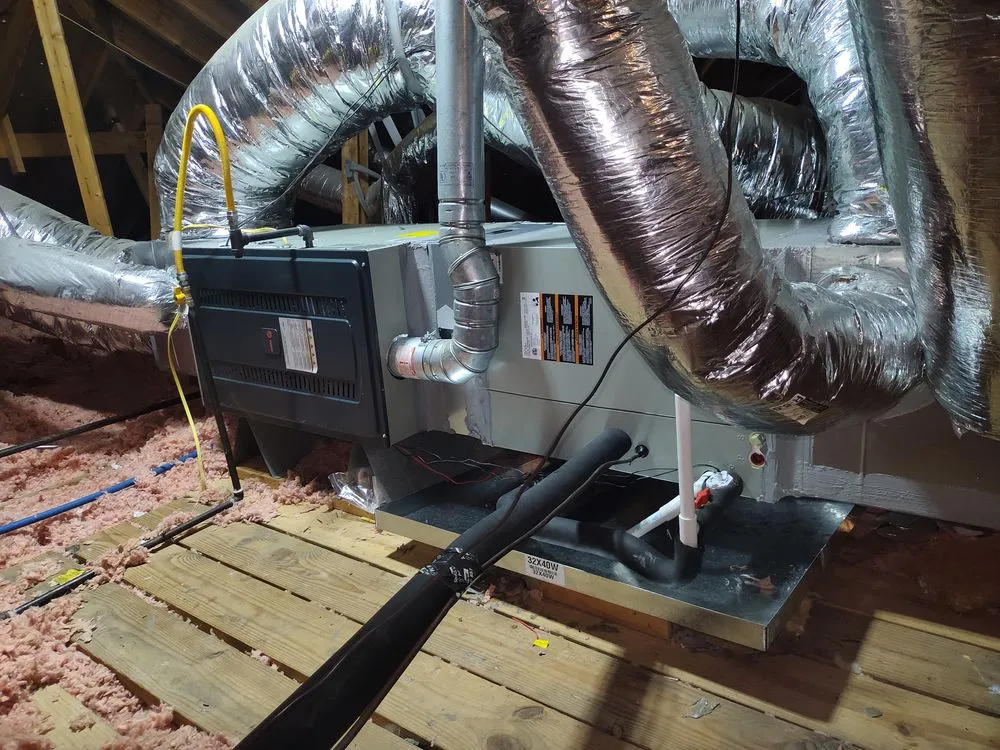
A failed furnace control board does not automatically mean you need a new furnace. If testing confirms a board fault and the rest of the equipment is in suitable condition, replacing the board may be a reasonable repair. A replacement furnace deserves consideration when separate condition problems, repeated major repairs or an unsuitable repair option change that comparison.
For Houston-area homeowners, the useful question is not simply “How old is it?” Ask what failed, what each option includes and what problems would remain afterward.
What does the furnace control board actually do?
The control board is an electronic circuit board inside the furnace. It coordinates parts of the heating sequence and blower operation in response to the thermostat and the equipment's controls. It is different from the thermostat on your wall and from the breaker in your electrical panel.
Because several components depend on that sequence, a furnace that will not start can have more than one possible cause. A fault code or a clicking sound is information for diagnosis, rather than proof that the board needs replacement.
Confirm the diagnosis before comparing prices
Ask the technician what testing supports the board diagnosis and whether another fault is preventing normal operation. A furnace can shut down because a safety control is responding correctly to a problem elsewhere. Replacing a functioning board would leave that problem unresolved.
For example, ignition trouble or restricted airflow can lead to a shutdown. A board replacement recommendation should explain why the control itself has failed, rather than relying only on the fact that the furnace stopped.
You do not need to open the cabinet or test wiring yourself. Save any thermostat message already visible and describe what happened before the heating stopped. If you smell gas, leave without operating electrical switches and contact your gas utility or emergency services from a safe location.
When can replacing the control board make sense?
A repair can be worth considering when the failure is isolated, an appropriate replacement is available and the equipment assessment does not reveal another major reason to replace the furnace.
Ask about the furnace's condition, repair history and any outstanding operating or safety findings. “The board is bad” and “the furnace is otherwise suitable for continued service” are separate findings. Both matter to your decision.
Also compare the practical timing. A part that can be obtained promptly and a part with an uncertain delivery date create different choices when you have no heat. Request an actual availability update; neither repair nor replacement should be assumed to be a same-day job.
What should a control board replacement quote include?
A compatible part and the required setup
Ask which replacement control is proposed and how compatibility with your furnace was verified. Boards are not interchangeable simply because the connectors look similar. Even a product described as universal has a defined application range.
For example, Resideo's S9200U control is intended for specified single-stage furnace applications. That does not make it a replacement for every two-stage or communicating system. Matching the equipment and following the manufacturer's setup instructions are professional tasks.
The complete repair price and coverage
Compare the installed repair scope, rather than an online board price alone. Ask whether the quote includes the part, labor, necessary setup and an operating check. Any additional identified work should be explained before you authorize it.
Have existing warranty eligibility checked against the specific equipment. Parts coverage and labor coverage can differ. Trane's standard limited warranties, for example, cover qualifying defective parts under their terms, while labor coverage depends on the warranty arrangement. Do not assume that an in-warranty part makes the entire visit free.
Ask for the coverage offered on the proposed repair in writing, including its term and exclusions. A clear answer is more useful than an unspecified “warranty included.”
When should you also request a furnace replacement option?
Request a separate replacement proposal if the assessment identifies substantial additional problems, a pattern of major failures or difficulty obtaining a suitable repair part. Age and maintenance history add context, but an age number alone does not explain what is wrong with your particular furnace.
Ask the contractor to separate the immediate board repair from other recommended work. If replacement is recommended because of a heat-exchanger, venting or other safety concern, ask for that finding to be documented and explained. Leave equipment that has been declared unsafe out of service.
Compare complete proposals. The repair option should identify what it restores and any remaining issues. The replacement option should identify the equipment, installation work, required connections and controls, startup checks, warranty terms and exclusions. Ask which existing components are being retained.
A new board does not renew every other furnace component. Equally, one failed electronic part does not establish that all of the equipment needs replacement. The better choice depends on the verified findings and the scope you are buying.
Frequently asked questions
Does a blinking furnace light mean the board is bad?
No. Indicator lights can report different conditions, including faults elsewhere in the system. Their meaning depends on the furnace model and its instructions. Tell the technician about a code you can already see safely; do not remove panels or bypass a door switch to watch the equipment run.
Can I order a cheaper universal board myself?
Have the proposed part verified before buying it. A universal control still has compatibility limits and setup requirements. The furnace's exact model, ignition system and control requirements matter. Internal electrical and gas-control work belongs with a qualified professional.
Will a new board make an old furnace as efficient as a new one?
A board repair is intended to restore the equipment's proper operation. It does not change an older furnace into a different furnace model. Evaluate any efficiency or comfort upgrade separately from the repair needed to get the existing equipment working.
Should I get a second opinion?
A second assessment can help when the diagnosis is unclear or the repair and replacement proposals leave important questions unanswered. Request the confirmed fault, part availability, complete scope and coverage from each contractor so you can compare the same decision.
Arrange a furnace assessment near Houston
Multipoint AC & Heating provides furnace service for Houston-area homeowners, including Richmond, Katy/Cinco Ranch and Fulshear. For a repair or replacement assessment, see our Sugar Land furnace service and Bellaire heating service information.
The diagnostic fee is $69 and is not waived. An additional $100 after-hours or weekend fee applies when applicable; repairs are quoted separately. Emergency service available after hours, except Sunday 3 PM to Monday 6 AM.
Call 832-963-3789 or request a service appointment. Mention the symptoms, any existing diagnosis and whether you want to compare a board repair with a furnace replacement option.