How Long Do Air Conditioners Last in Houston, TX?
Learn how long air conditioners last in Houston, TX. Discover lifespan, maintenance tips, and replacement signs for optimal performance.
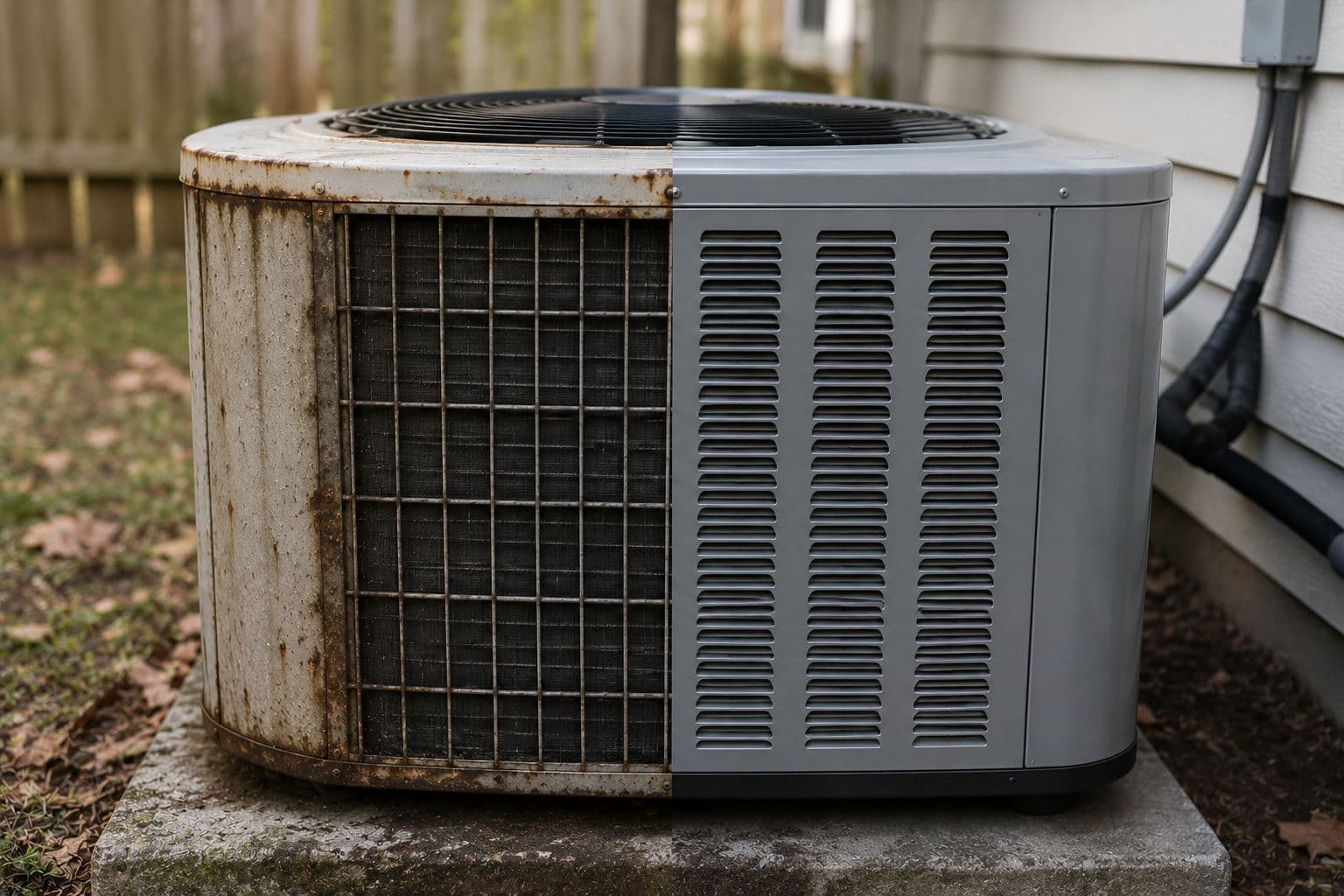
Most AC units are built to last — but Houston's heat and humidity put them to the test. Here's what local homeowners need to know about AC lifespan, maintenance, and when it's time to replace.
By Multipoint AC & Heating | Serving Greater Houston
If you're a Houston homeowner, your air conditioner isn't a seasonal appliance — it's a year-round necessity. That means your system works harder, runs longer, and wears out faster than units in virtually any other part of the country. Understanding how long your AC is likely to last, and what you can do to extend that lifespan, is one of the most important things you can know as a homeowner in the Greater Houston area.
How Long Do AC Units Last in Houston, TX?
Most central air conditioners are designed to last between 12 and 17 years under normal conditions. In Houston, however, the reality is often closer to 10 to 15 years — and sometimes less, depending on how well the system has been maintained and how it was originally installed.
The reason is straightforward: Houston AC units log far more operating hours per year than systems in cooler or drier climates. In milder parts of the country, a central air conditioner might run 1,200 hours per year. In Houston, that number can climb to 2,800 to 3,200 hours annually — nearly three times the national average. That's the equivalent of running a car engine at highway speed for twice as long and expecting it to cover just as many miles.
Add in Houston's relentless humidity, and your system is doing double duty — not just cooling your home but actively removing gallons of moisture from the air every single day. That extra mechanical load puts significant strain on the compressor and other key components, accelerating wear in ways that homeowners in drier climates simply don't experience.
Here's a general lifespan breakdown by system type for Houston conditions:
Central air conditioners — 12 to 15 years with proper maintenance
Heat pumps — 10 to 15 years, often on the shorter end since they run year-round for both heating and cooling
Ductless mini-splits — 15 to 20 years with regular upkeep
Window units and portable ACs — 5 to 8 years
What Affects AC Lifespan in Houston?
Not every system will reach the 15-year mark — and some well-maintained units will exceed it. Here are the key factors that determine how long your AC lasts in Houston's demanding climate.
Maintenance history
This is the single biggest factor within a homeowner's control. A system that receives annual professional tune-ups, regular filter changes, and prompt attention to small problems will consistently outlast a neglected unit by 3 to 5 years or more. Annual maintenance also keeps your manufacturer's warranty active — most manufacturers require proof of regular service before covering expensive part replacements like compressors or coils.
Quality of installation
This is one of the most underappreciated factors in AC longevity. A poorly installed system — one that wasn't properly sized, charged with the correct refrigerant level, or tested for airflow after installation — will underperform and wear out faster regardless of the brand or price point. Even a top-of-the-line, high-efficiency unit can fail years ahead of schedule if the installation was rushed or done incorrectly. Always insist on a licensed, insured HVAC contractor who performs a full Manual J load calculation to ensure your system is properly sized for your home.
Houston's climate and humidity
Unlike systems in dry climates that only need to lower air temperature, Houston AC units must simultaneously cool and dehumidify — removing gallons of moisture from the air every day during our long cooling season. This dual workload creates a much higher mechanical load on the compressor, which is the most expensive component in your system to repair or replace. Houston's heavy pollen counts, storm activity, and year-round operation add further stress on top of that.
System sizing
An oversized system short-cycles — it cools the area near the thermostat quickly and shuts off before properly conditioning the rest of your home or removing enough humidity. An undersized system runs almost continuously and never fully catches up with the heat load. Both scenarios put unnecessary stress on the system and shorten its lifespan significantly. Proper sizing based on your home's square footage, insulation, window area, and orientation is essential for long-term reliability.
SEER2 efficiency rating
Modern systems with high SEER2 ratings run more smoothly, cycle less aggressively, and tend to last longer than older, lower-efficiency units. If your current system has a SEER rating below 14, a new high-efficiency system will not only last longer but also deliver significant monthly energy savings from day one.
Filter changes
A clogged air filter restricts airflow, forces the system to work harder, and is one of the most common causes of premature compressor failure. In Houston, the standard 90-day filter recommendation on the packaging doesn't account for our heavy pollen season, high humidity, and near-constant summer runtime. Most Houston homeowners should be checking and changing filters every 30 to 60 days during the cooling season.
Signs Your Houston AC Is Approaching the End of Its Life
Even with great maintenance, every system eventually reaches the end of its reliable service life. Here are the warning signs to watch for:
Your system is 10 years old or older and repairs are becoming more frequent
Your energy bills have increased noticeably without a change in usage habits
Your home struggles to reach the set temperature even on mild days
You're facing a major repair — compressor, coil, or refrigerant leak — on an aging unit
The system is making unusual noises such as banging, rattling, or grinding
Humidity control has worsened and your home feels sticky even when the AC is running
Your unit uses R-22 refrigerant, which has been federally phased out and is increasingly expensive to service
If your system is showing two or more of these signs, it's time for a professional evaluation. Use the $5,000 Rule as a guide: multiply the age of your system by the estimated repair cost. If that number exceeds $5,000, replacement is almost always the smarter financial decision.
How to Get the Most Life Out of Your Houston AC
You can't change Houston's climate, but you can give your system the best possible chance of reaching — and exceeding — its expected lifespan. Here's what makes the biggest difference:
Schedule professional AC maintenance twice a year. A spring tune-up before the peak cooling season and a fall check before winter is the ideal cadence for Houston homeowners. Bi-annual maintenance allows your technician to catch small issues — like a failing capacitor, a refrigerant drop, or a dirty evaporator coil — before they cause expensive compressor failure or a complete system breakdown in the middle of July.
Change your air filter every 30 to 60 days during the cooling season. In Houston homes with pets or allergy sufferers, monthly changes are even more critical.
Keep the outdoor condenser unit clean and clear. Trim back shrubs and vegetation, rinse the coils with a garden hose periodically, and make sure there's at least 2 feet of clearance around all sides of the unit so airflow isn't restricted.
Don't turn the AC off completely when you leave. In Houston's heat and humidity, a fully unconditioned home allows moisture to soak into walls, furniture, and flooring — and it takes significantly more energy to bring back down to a comfortable temperature. Instead, raise your thermostat by 5 to 7 degrees when you're away to maintain humidity control without overworking the system.
Install a smart thermostat. Setting your temperature just a few degrees higher when no one is home can save hundreds of runtime hours per year — directly extending the life of your compressor and other major components while lowering your monthly energy bill.
Address repairs promptly. Small problems — a worn capacitor, a slow refrigerant leak, a dirty evaporator coil — become expensive problems when ignored. Catching them early during a scheduled maintenance visit costs far less than an emergency repair or an unplanned replacement.
What to Expect From a New AC Installation in Houston
If your system is past its prime, the good news is that today's air conditioning systems are dramatically more capable and efficient than units from a decade ago. A new, properly installed central AC system in Houston offers:
SEER2 efficiency ratings of 15 to 20 or higher, compared to 10 to 13 for units installed before 2010 — translating to 20 to 40 percent lower monthly cooling costs
Improved humidity removal that makes Houston summers genuinely more comfortable
Variable-speed compressors and fan motors that run quietly, cycle less aggressively, and reduce long-term wear
Smart thermostat compatibility for automated scheduling and remote control
Manufacturer warranties of 10 years or more on parts and compressors when properly registered and maintained
New AC installation in Houston typically ranges from $5,000 to $12,000 or more depending on system size, efficiency tier, and the specifics of your home. It's a significant investment — but one that pays for itself through energy savings, improved comfort, and reliable performance over the life of the system.
Houston Pro Tip: Start Planning at Year 10
If your AC system is approaching its 10th or 12th year, start budgeting for a replacement rather than waiting for an emergency. Replacing your system proactively — ideally in the spring or fall when demand is lower and scheduling is more flexible — gives you time to choose the right system, compare options, and plan the investment without pressure. Emergency replacements in the middle of a Houston heat wave mean limited availability, rushed decisions, and often higher costs.
Proper Installation Makes All the Difference
No discussion of AC lifespan is complete without emphasizing this point: the quality of your installation matters just as much as the quality of your equipment. An energy-efficient system installed incorrectly will underperform and fail early. Always work with a licensed, insured HVAC contractor who performs a full Manual J load calculation, tests airflow after installation, and stands behind their work with a solid warranty.
At Multipoint AC & Heating, every new AC installation in the Houston area includes proper system sizing, professional installation by certified technicians, and thorough post-installation testing to make sure your new system is set up to run efficiently and reliably for years to come.
Schedule Your AC Tune-Up or Replacement Consultation Today
Whether your system needs a tune-up to extend its life or you're ready to explore AC replacement options, Multipoint AC & Heating is here to help. We serve homeowners throughout Houston, Katy, Sugar Land, The Woodlands, Pearland, Friendswood, Missouri City, Cypress, Humble, Pasadena, League City, Baytown, Conroe, and the entire Greater Houston metro area.
Don't wait until your AC fails in the middle of a Houston summer. Call us today for an honest assessment and a plan that fits your home and your budget.